Training kit
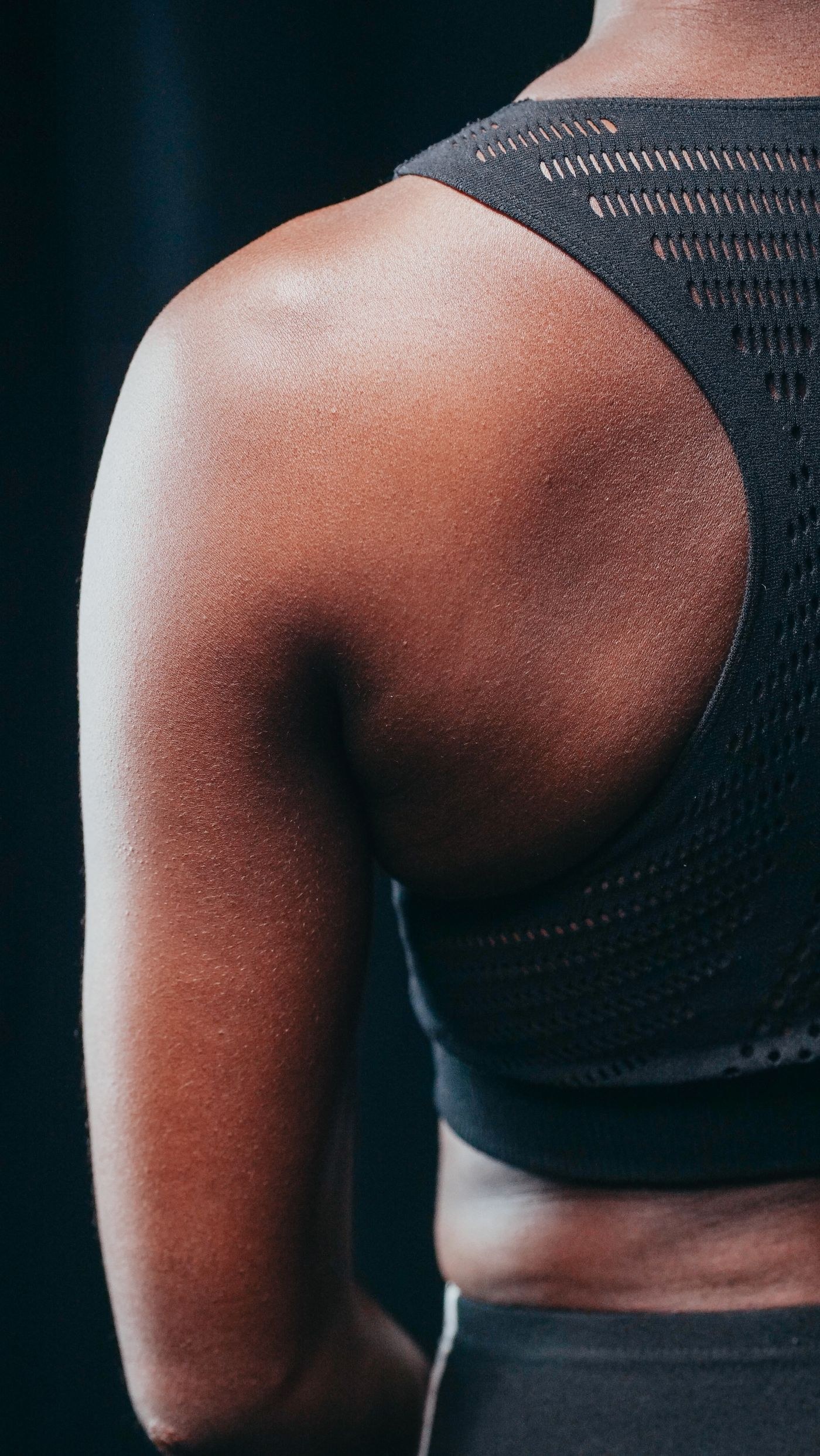
A sports bra should feel secure through the movement you plan to do without restricting comfortable breathing or requiring constant adjustment.
A gentle walking session and a class with repeated jumps can place different demands on support. Read the manufacturer's activity guidance, but treat terms such as medium or high support as a starting point rather than a universal scale. Fit and personal comfort still need checking.
Choose a fitting method that suits you. Some designs use band and cup sizes, while others use general clothing sizes. Consult the specific size guide and consider professional fitting help if you are unsure. A size that works in one brand or style may not transfer directly to another.
The band should sit securely without riding up or causing uncomfortable pressure. Check it while standing normally and after raising your arms. Tightening straps is not a reliable way to compensate for a band that is too loose. Equally, a band that feels restrictive before movement is unlikely to become more comfortable during a class.
Look for breast tissue comfortably contained without spilling or empty, wrinkled areas that suggest the shape is wrong for you. Where a design includes underwires, they should not sit on breast tissue. A style can be the right nominal size and still have an unsuitable shape.
Adjust straps so they remain in place without digging into the shoulders. Check seams, hooks and zips where they contact the skin. A front fastening may be easier for some people, while others prefer a back closure; the important question is whether you can put the garment on, adjust it and remove it comfortably.
Within the fitting area's rules, raise your arms, bend and try movements that resemble your activity. Notice whether the garment shifts or whether you feel a need to hold or readjust it. Do not judge support only by standing still in front of a mirror.
Check the neckline and arm openings beneath the top you expect to wear. Think about access after a sweaty session as well as before it. A pull-over design that is difficult to remove when dry may be frustrating later, particularly if you have limited shoulder movement.
If buying online, read return and hygiene conditions before removing labels or wearing the bra for exercise. An indoor fit check should happen before committing to a full session. Keep notes on what did not work so that the next comparison is more specific than simply ordering another size at random.
Follow the washing label and check the elasticity, seams and fastenings over time. A garment that used to feel secure may stretch or become damaged. Changes in body size or the activities you choose can also justify another fit check; there is no need to use a fixed replacement calendar for every person.
Supportive clothing is not a treatment for unexplained or persistent breast pain. Seek medical advice about symptoms rather than continuing to buy tighter garments. For ordinary shopping decisions, the goal is a comfortable, usable fit that suits the activity and can be maintained through normal washing.