Training kit
Everyday walking shoes should match your feet, route and weather. The most technical-looking pair is not automatically the most suitable.
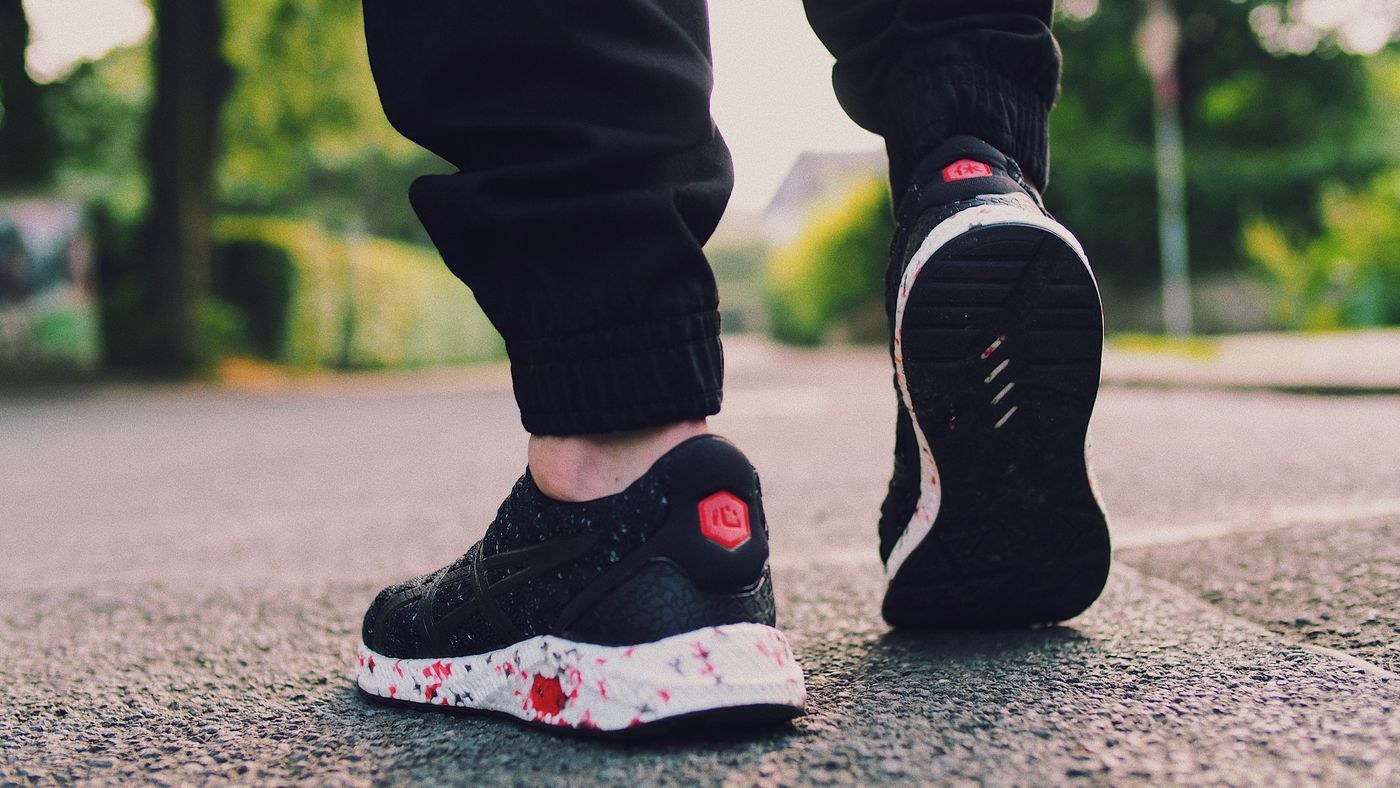
Separate a short pavement walk from a muddy park route or a longer outing on uneven ground. Think about the surfaces you encounter most often, how long you are usually out and whether the same shoes must work at your destination. A heavier, more protective shoe may make sense for one route and feel unnecessarily cumbersome on another.
The NHS notes that comfortable, supportive shoes that do not cause blisters can be suitable for ordinary walking. You do not need to buy specialist footwear simply to begin a short local habit. First assess whether a pair you already own is comfortable and in good condition.
Try each pair with your normal walking socks and any inserts you have been advised to use. Check both feet, toe room, heel security and pressure across the top. Walk around rather than judging the shoe only while sitting. An impressive sole specification will not compensate for a shape that squeezes your toes.
Consider the sole on the surfaces you actually use. Look at the tread pattern, flexibility and how stable the shoe feels during an ordinary turn. No shoe can promise grip on every wet, icy or loose surface. If a route is unsafe, changing the route is more important than changing the shoe.
Water resistance and breathability involve practical trade-offs. A waterproof upper may be useful in wet conditions, while drying time and warmth also matter. Ask how the material should be cleaned and whether the shoes can dry between outings. A single pair that stays damp for days may be less convenient than expected.
Check return conditions and test indoors first where permitted. Begin with a short familiar walk once you decide to keep the shoes, rather than making a long first outing the fitting test. Notice rubbing, pressure or unusual movement and respond early.
Keep the decision focused on comfort and use, not an arbitrary mileage claim or a fashion label. Compare the total cost with how often you will wear the pair and whether replacement laces or insoles are available when appropriate. If foot symptoms persist, seek advice from a qualified professional. A buying guide can help you ask better questions, but it cannot diagnose why a particular foot hurts.