Around Bournemouth
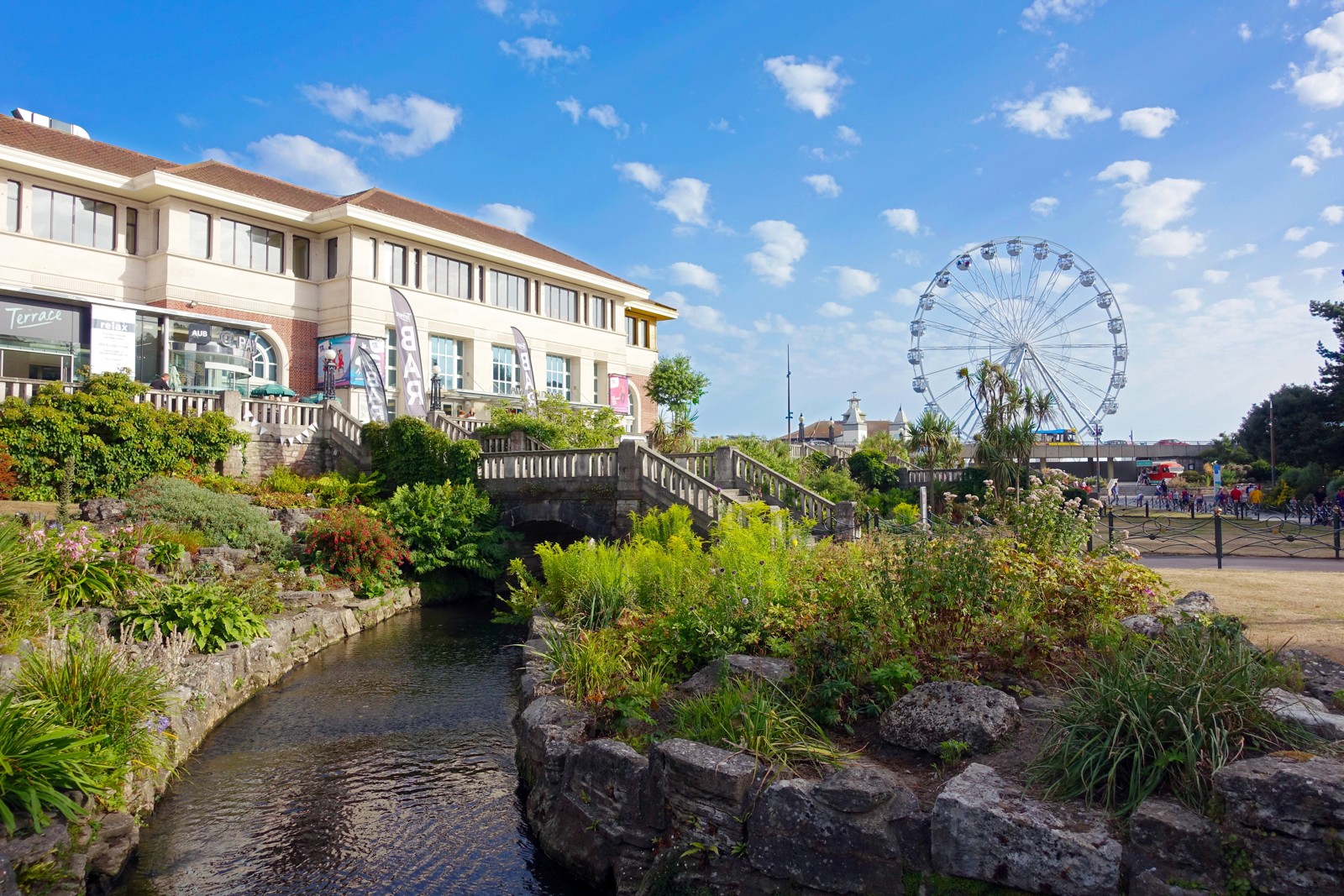
Planning a walk through Bournemouth Lower Gardens
Read the articlePhoto: Tiia Monto / CC BY-SA 3.0 · Source · Licence · Cropped/resized.
Hengistbury Head is a coastal nature reserve, so a walk there needs route, weather and return planning beyond choosing a distance on a map.
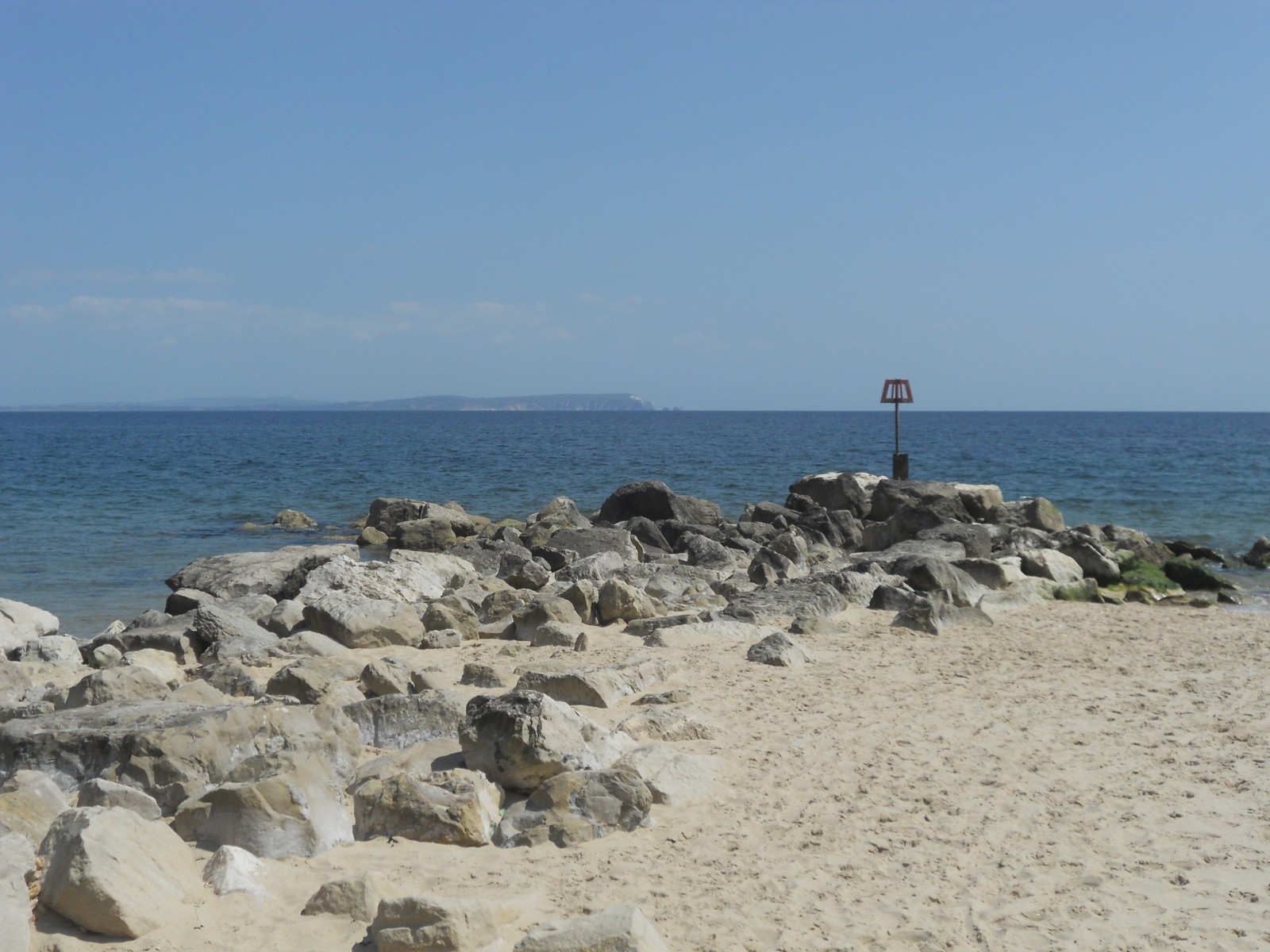
Photo: ITookSomePhotos / CC BY-SA 4.0 · Source · Licence · Cropped/resized.
BCP identifies Hengistbury Head as a headland and nature reserve between Bournemouth and Christchurch, with visitor-centre information about trails, access and facilities. Start there when choosing a route. Do not assume that a photograph of a broad path represents every section you might encounter.
Decide whether you want a short visit near the main arrival area or a longer walk. Check the surface, gradients and return options for the route you actually choose. If you need accessibility information, ask about that route in detail rather than relying on a general description of the reserve.
Allow time for navigation, pauses and changing conditions. A circular route can commit you to continuing before you know how the far side feels, while an out-and-back option may be easier to shorten. Choose the arrangement that matches your experience and the day's forecast.
Check wind, rain, temperature and any warnings before leaving. Coastal conditions can differ from sheltered streets inland. Strong wind or poor visibility may make an exposed route unsuitable, even if the drive or bus journey feels uneventful.
RNLI guidance advises checking weather and tides, carrying a means of calling for help and telling someone the plan. Keep away from edges and take extra care on slippery ground. Stay on permitted paths and respect barriers; do not approach a cliff edge for a photograph or use an unofficial shortcut.
If your route includes a beach section, understand its tidal implications before setting out. Do not assume that a clear route on arrival will remain available throughout the walk. When uncertain, choose an established alternative or ask for current local guidance before proceeding.
Bring suitable layers, water, a charged phone and any personal essentials. Keep the load comfortable and protect items from weather according to their instructions. A light for seeing the ground and visibility equipment may be useful if the journey could extend into low light, but the preferred plan should leave a daylight margin.
Check current opening and operating details for facilities and any transport you intend to use. A seasonal service is not a guaranteed way back. If the return depends on it, confirm the last relevant departure and a workable alternative before walking away from the arrival area.
Keep to marked access arrangements and follow local guidance about wildlife and dogs. Avoid setting up exercise stations, leaving kit on vegetation or treating a quiet patch as an unrestricted training area. Take all litter home, including small food wrappers and tissues.
Turn back or shorten the walk when conditions, energy or timing change. The destination does not become more suitable because you have already travelled to reach it. A short visit can still give you useful knowledge of the place for a later outing.
Afterwards, note the route you used and anything that affected it, such as exposure or access. Use that experience to choose the next visit while still checking current information. Familiarity helps planning, but it does not remove the need to assess the coast on the day.
Around Bournemouth
Photo: Tiia Monto / CC BY-SA 3.0 · Source · Licence · Cropped/resized.