Around Bournemouth
Planning a walk through Bournemouth Lower Gardens
Read the articlePhoto: Tiia Monto / CC BY-SA 3.0 · Source · Licence · Cropped/resized.
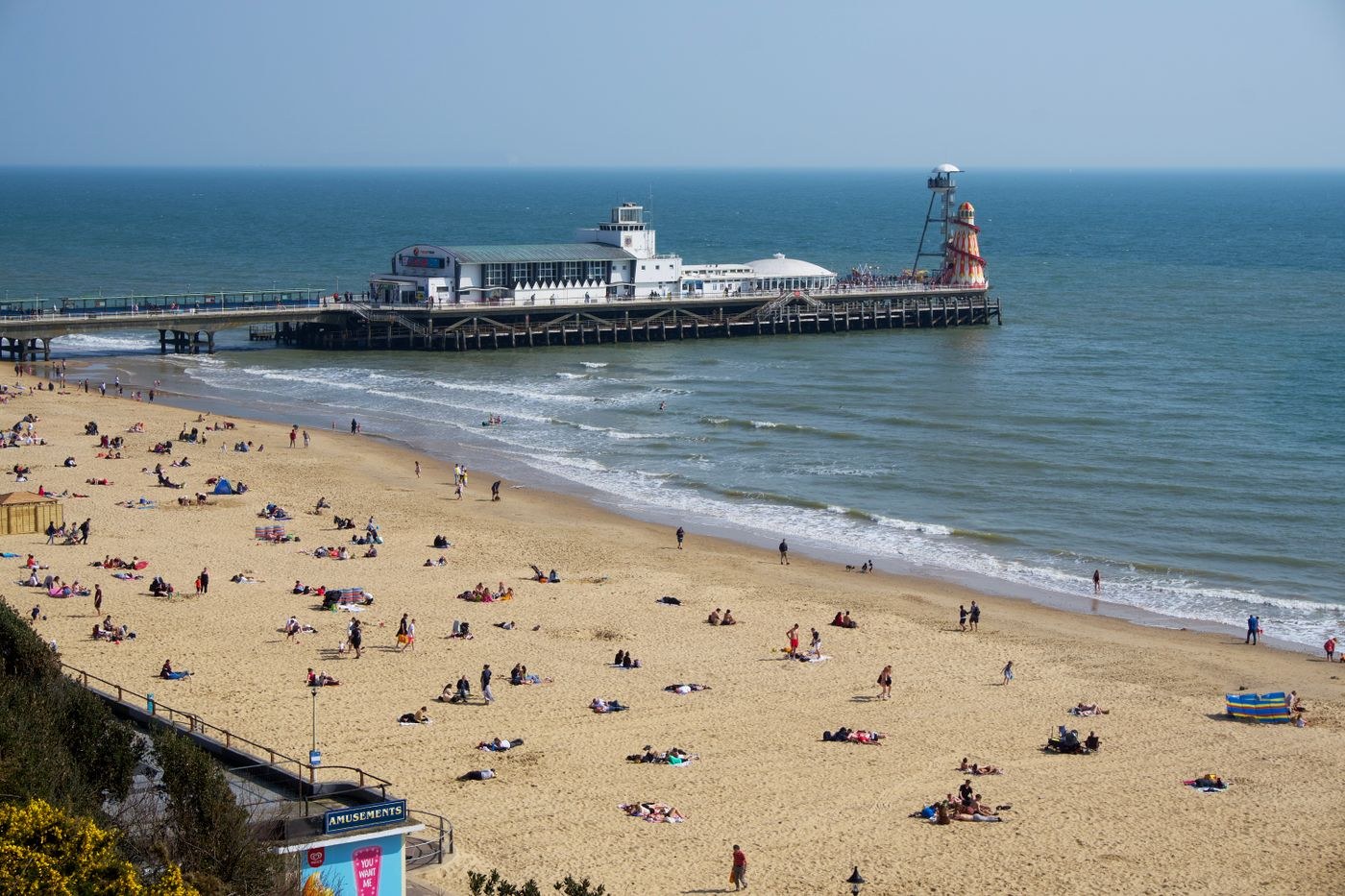
The promenade links Bournemouth Pier and Boscombe, but an out-and-back plan should include a flexible turnaround rather than an obligation to reach the far end.

Agree to meet at a specific accessible point near Bournemouth Pier rather than somewhere on or around it. The area can be busy, and people arriving from the gardens, town or beach may approach from different directions. Check the route from your arrival point before deciding when the walk begins.
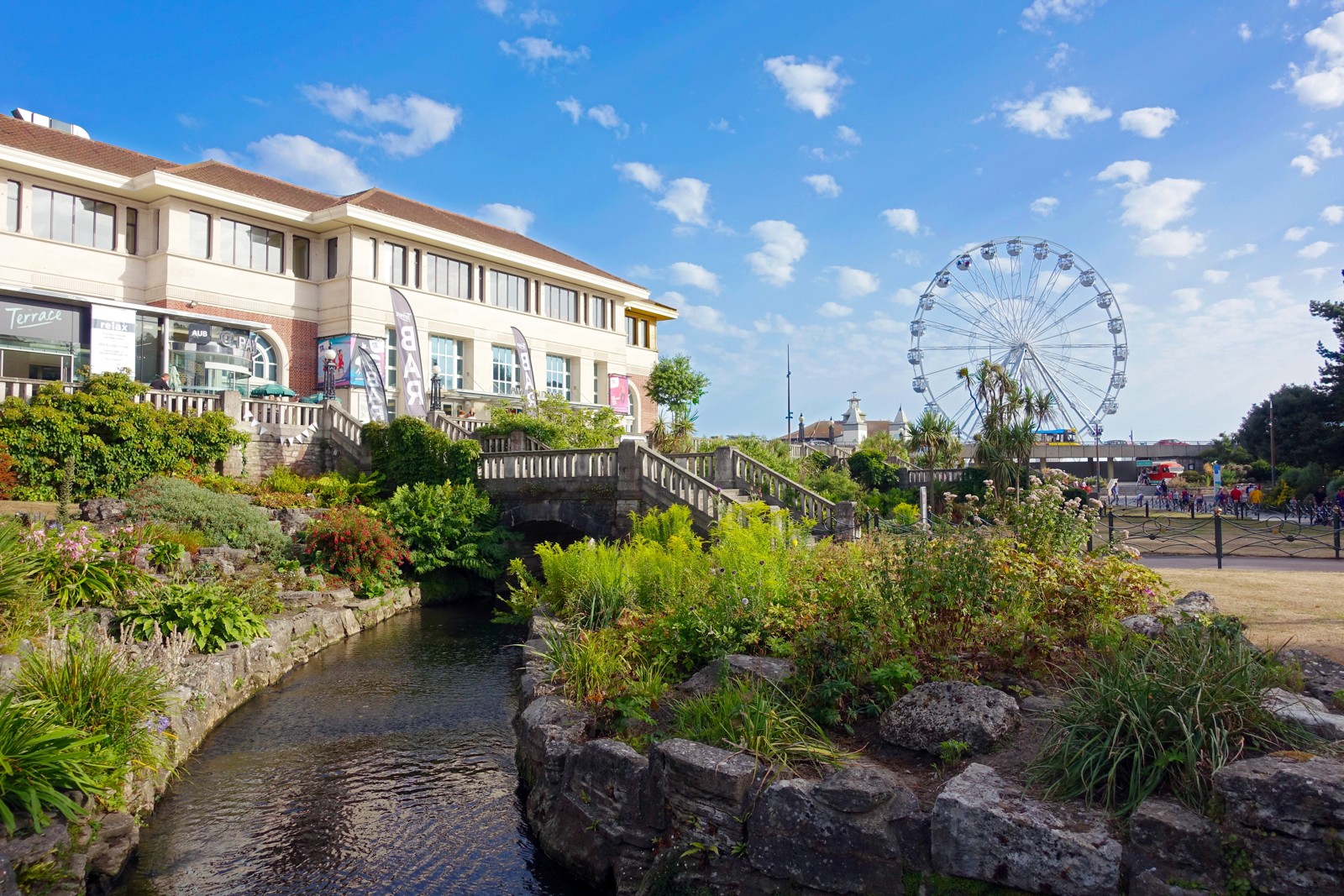
The official Bournemouth visitor information describes walking along the promenade from Bournemouth Pier to Boscombe Beach. Use a current map to identify the seafront route and any notices about works or closures. Do not confuse the promenade walk with a clifftop route, which has different access and terrain.
Choose whether Boscombe is a desired destination or simply a direction of travel. If you are new to regular walking, the latter gives you permission to turn around earlier. You can explore a longer section on another day without treating the first outing as incomplete.
A published walking time is only an estimate and may omit stops, crowds and the approach to the promenade. Plan from your own comfortable pace and leave time for the return. Do not spend the entire available window on the outward journey and expect to solve the return afterwards.
Check wind direction and conditions. The outward leg can feel easier than the return, especially along an exposed coast. Choose a turnaround time before leaving and bring it forward if the ground, weather or your energy changes. A pier is a landmark, not a requirement to continue when the outing stops feeling manageable.
Keep room for other pedestrians, mobility aids and any permitted users. Slow down around busy access points and avoid spreading a group across the full path. If someone needs to stop, step aside where there is sufficient space rather than blocking the flow.
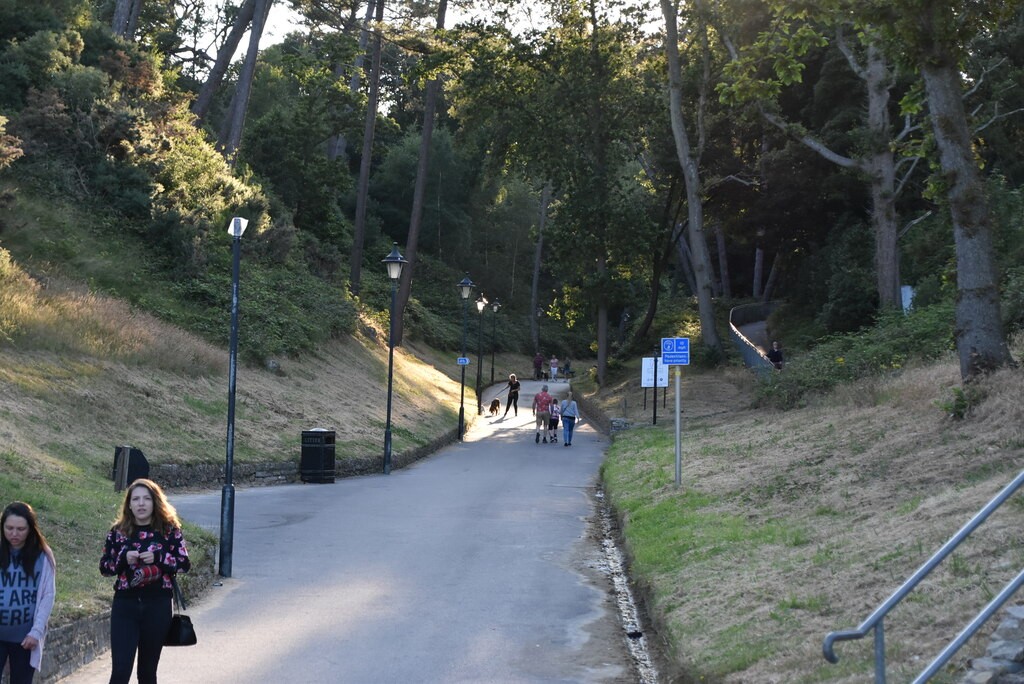
Look for sand, wet patches and temporary barriers. Stay on the permitted route and avoid cliff edges or improvised shortcuts. Do not step onto the beach to bypass a closure without understanding the conditions and a safe onward route. A familiar coastline can still change after poor weather.
If you may finish in Boscombe, research the onward walk to a suitable bus stop and the current service before setting off. A bus route can be a useful alternative, but it is not a guaranteed rescue plan if you have not checked the stop, direction and timetable. The access away from the seafront also adds to the outing.
Carry a charged phone, suitable clothing and the essentials you normally need. Check facility availability if you depend on a toilet or refreshment stop. Do not assume a seasonal service or kiosk will be open.
After the walk, note the actual time and the point at which turning back felt sensible. You can then repeat the same section, extend it modestly or choose a one-way plan with transport arranged in advance. The value of an out-and-back route is its flexibility; keep that flexibility throughout the walk.
Around Bournemouth
Photo: Tiia Monto / CC BY-SA 3.0 · Source · Licence · Cropped/resized.
Around Bournemouth
Photo: N Chadwick / CC BY-SA 2.0 · Source · Licence · Cropped/resized.