Around Bournemouth
Planning a walk through Bournemouth Lower Gardens
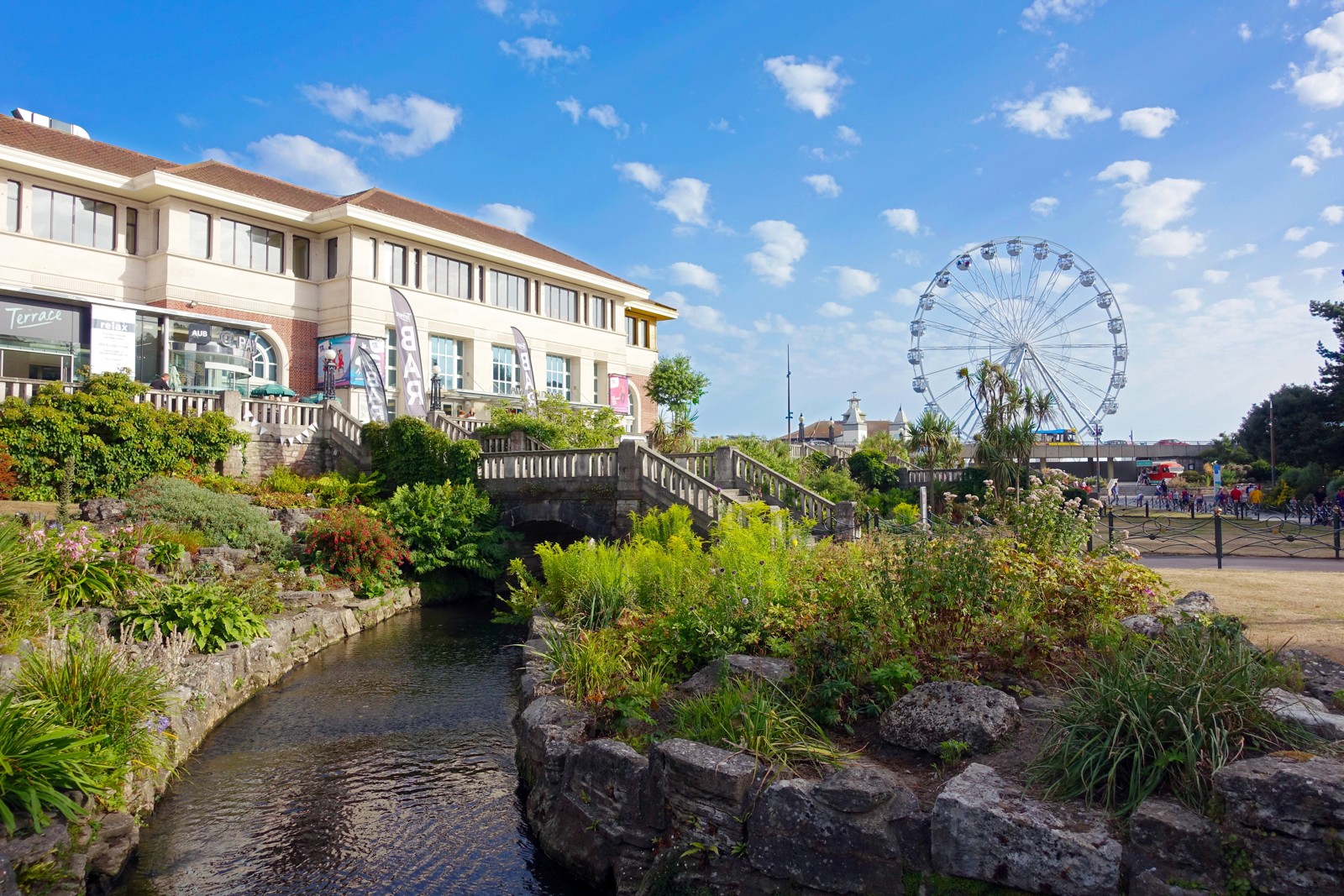
Read the articlePhoto: Tiia Monto / CC BY-SA 3.0 · Source · Licence · Cropped/resized.
A car-free class journey works best when you plan backwards from arrival and forwards from the finish, including the walk at each end.
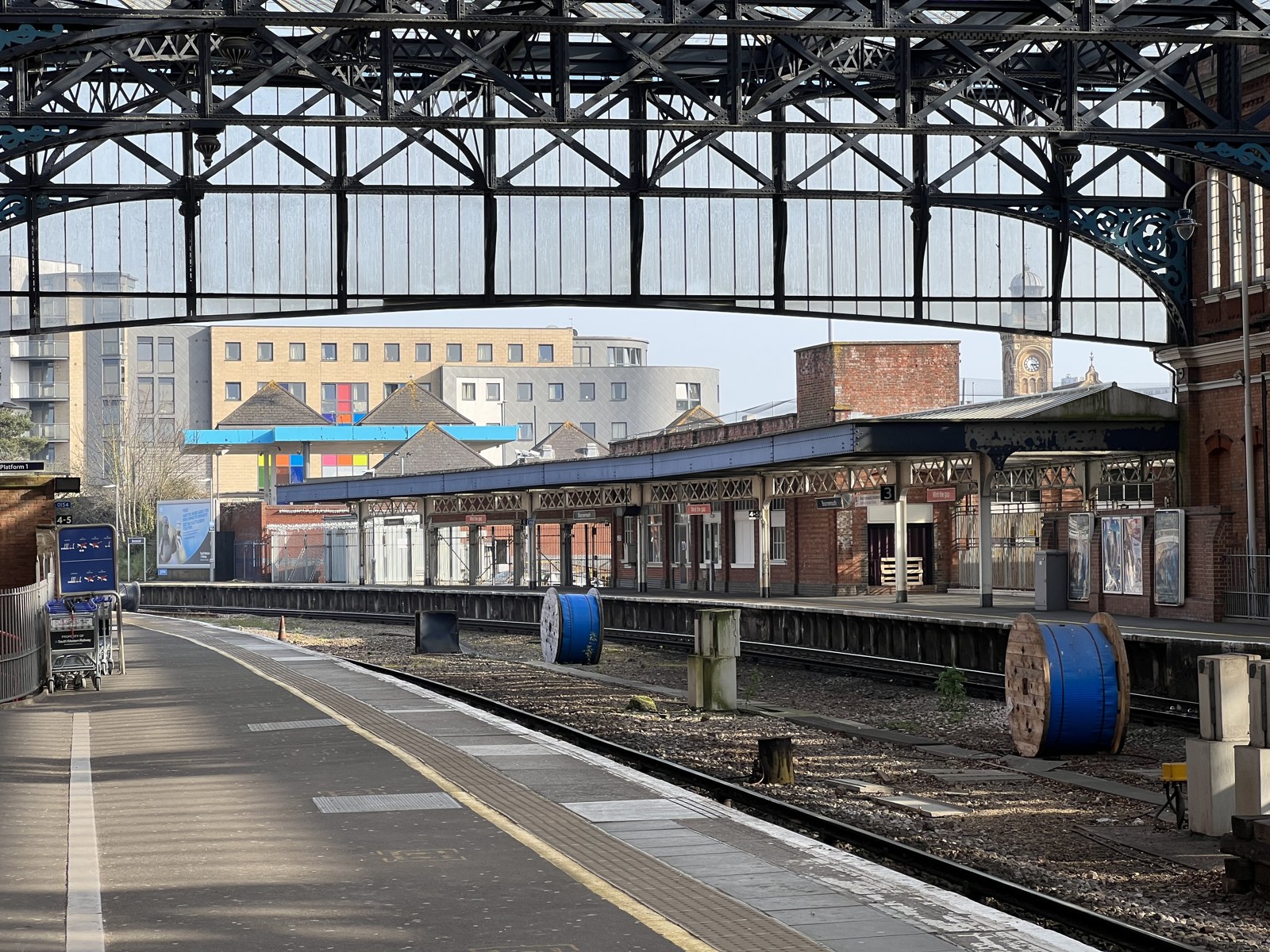
Photo: Jonathan Hutchins / CC BY-SA 2.0 · Source · Licence · Cropped/resized.
Ask the provider for the building entrance used for the session, not just the venue name. A large site may have several entrances, and the nearest map pin may not lead to the activity room. Check whether you need to arrive early for registration or changing.
Enter the exact destination into a current journey planner. Morebus offers arrive-by searches, timetables, live departures and service updates. Use the date and time of the class, since a route that works on a weekday morning may not have the same pattern on a Sunday evening.
Look at the walking sections as carefully as the bus journey. Check crossings, slopes and the route from the stop to the door. A short distance on a map can still involve an awkward road crossing or an entrance on the other side of the building.
Allow time for a late service, finding the room and putting belongings away. Avoid choosing the final possible connection for a first visit. If you arrive early, identify a suitable place to wait rather than standing in rain outside a locked door.
Check disruption notices close to departure. A diversion can move the stop you expected to use, while live departure information is an estimate rather than a guarantee. Keep the provider's contact details available if a delay means you will miss the start, and ask whether late entry is allowed.
Use the expected finish time plus changing and walking time to search the return journey. Check the correct direction and stop, and note the last suitable service if the class ends late. Do not assume that the outward route runs equally frequently afterwards.
Consider how you will feel after the session. A long uphill walk to a stop may be manageable on arrival but less appealing when tired or carrying damp kit. Choose a class whose whole journey fits your current capacity, or adjust the session and travel plan with appropriate advice.
If you combine cycling and public transport, check the relevant operator's current cycle rules and secure storage at the destination. Do not assume that a bicycle can be taken on a service or left safely at any railing near the venue.
Carry only what the session needs in a comfortable bag. Keep a bottle secure and place wet clothing in a separate pouch for the return. Choose a layer for waiting outside and visibility equipment where the walking route will be in low light.
Have a realistic backup for disruption, such as a different verified service, a safe walk within your ability or rescheduling. A backup should not depend on a connection you have not checked. Keep enough phone charge and access to the ticket or payment method you intend to use.
After the first trip, record the actual door-to-door time and any confusing part of the route. That makes future attendance easier to plan. The best transport option is not always the one with the shortest advertised journey; reliability, walking access and the return timetable can matter more for a regular class.
Around Bournemouth
Photo: Tiia Monto / CC BY-SA 3.0 · Source · Licence · Cropped/resized.