Training kit
A foam roller is an optional self-massage tool. Choose dimensions and firmness you can handle rather than assuming the hardest surface works best.
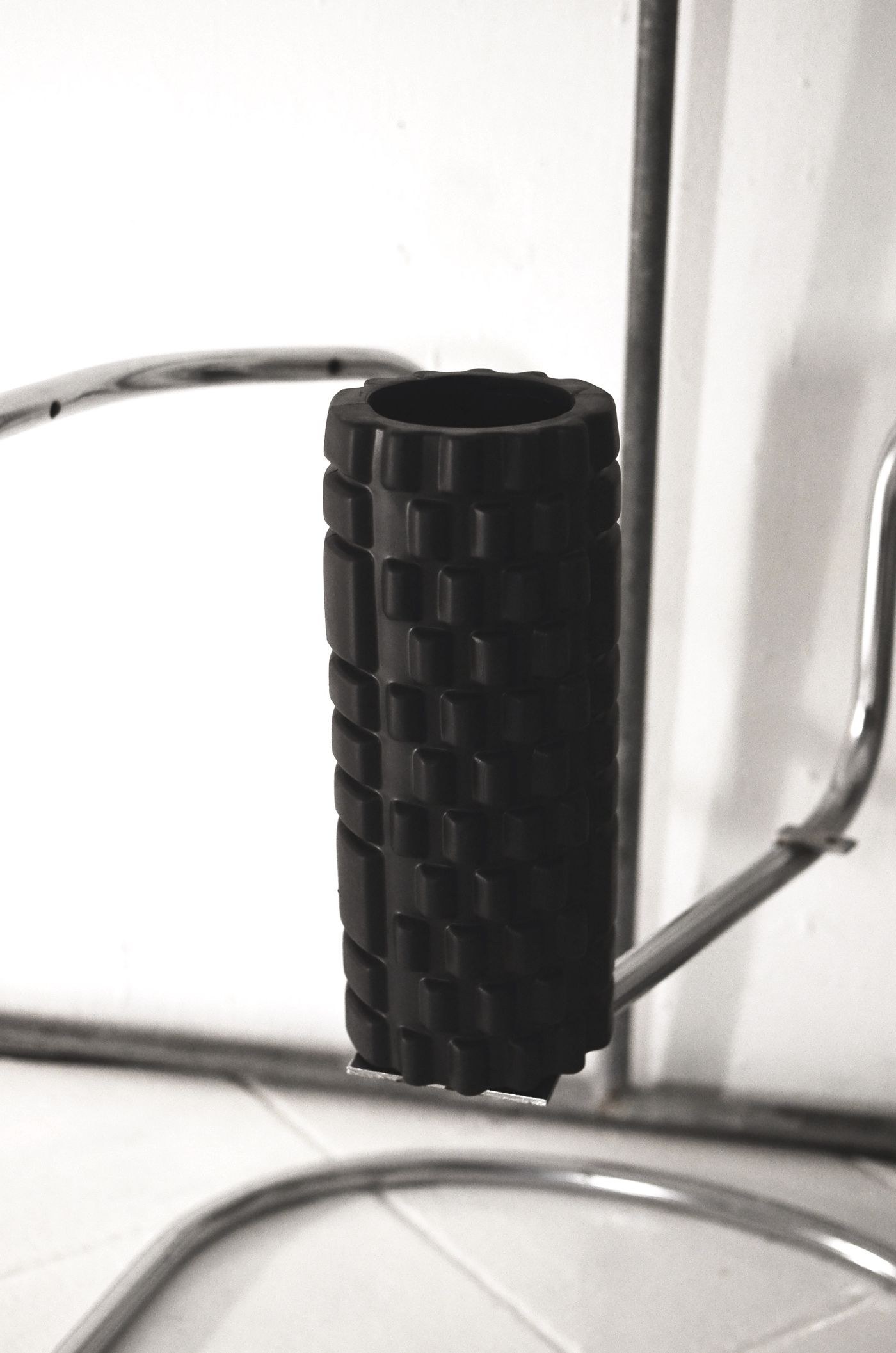
Rollers vary in length, diameter, surface texture and density. A longer roller may offer more contact area but be awkward to store or carry. A short travel version may fit a bag while requiring more careful positioning. Check where you will use it and whether there is room to get into and out of the intended position.
A deeply textured surface can create more concentrated pressure than a smooth one. That is not automatically more useful. If you are new to rolling, ask a qualified professional to show an appropriate technique and help you choose a tolerable firmness. You should not have to brace against sharp pain to use a purchase.
A roller is not a way to diagnose or treat an unexplained pain. Do not buy it on promises of detoxification, guaranteed recovery or fixing a specific injury. If you have persistent symptoms, a vascular condition, reduced sensation or other relevant health concerns, get individual advice before applying pressure.
Use only the areas and positions you have been shown are appropriate. Avoid rolling directly over injured areas or treating bones and joints as pressure targets. A video demonstration cannot tell whether your symptoms make a technique unsuitable. Stop if the sensation is painful, unusual or worsening rather than increasing pressure to complete a routine.
Read the cleaning instructions and inspect the surface for cracks, deformation or peeling. A hollow design may have a different load limit from a solid foam cylinder. Follow the product's stated use and do not repurpose it as a step or a balance obstacle.
Store it where it cannot roll into a doorway or underneath a foot. If you plan to carry it to a venue, check whether the bag or strap secures it without dangling. A roller left loose in a crowded changing area can become a trip hazard.
Before buying, try a suitable shared roller under guidance if that option exists. You may learn that a simpler surface or different length suits you better. It is also reasonable not to use one: a roller is an accessory, not an essential requirement for every training session.