Around Bournemouth
Planning a walk through Bournemouth Lower Gardens
Read the articlePhoto: Tiia Monto / CC BY-SA 3.0 · Source · Licence · Cropped/resized.
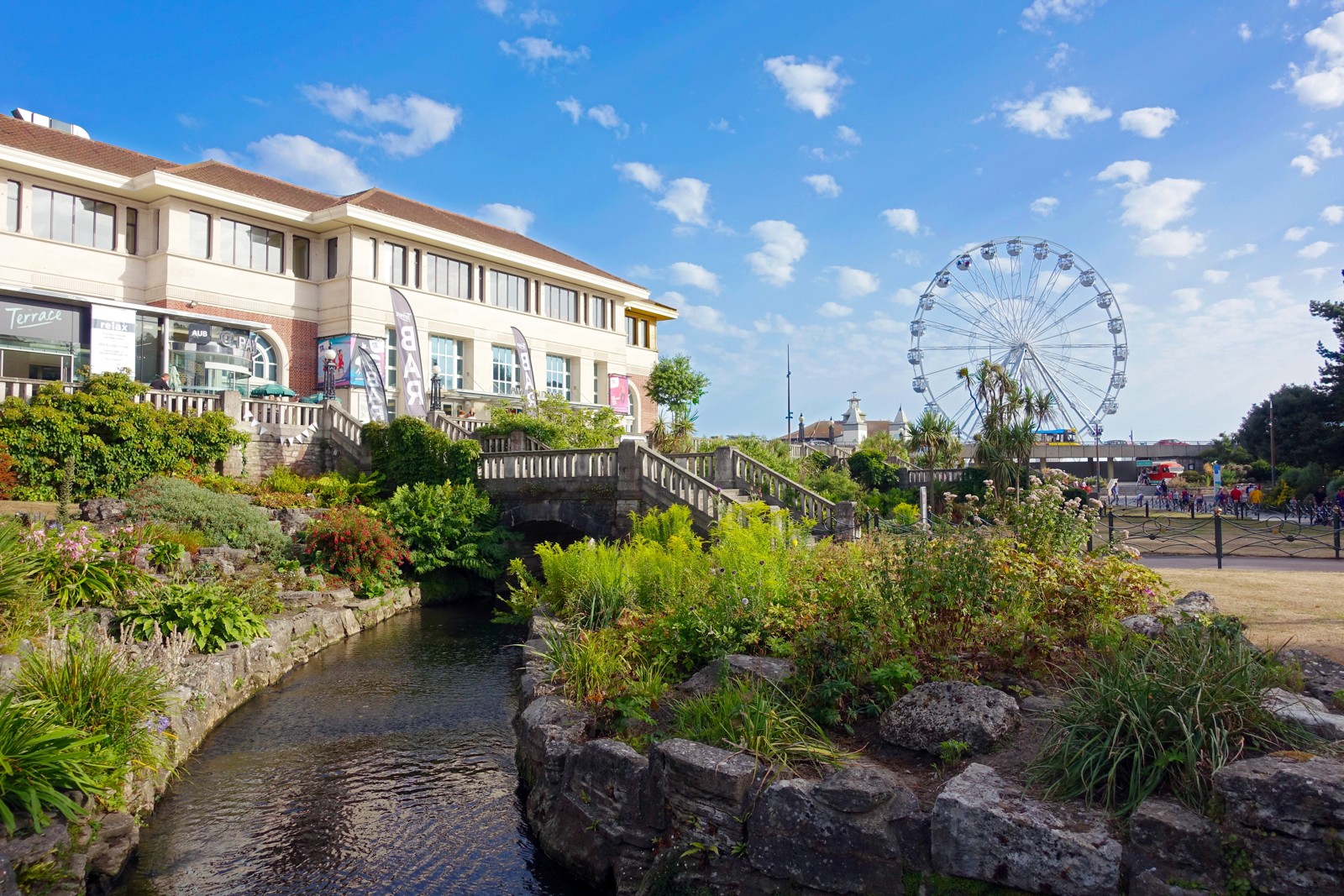
Boscombe Chine Gardens can offer a different setting from the open seafront, with planting and paths that reward a slower walking break.
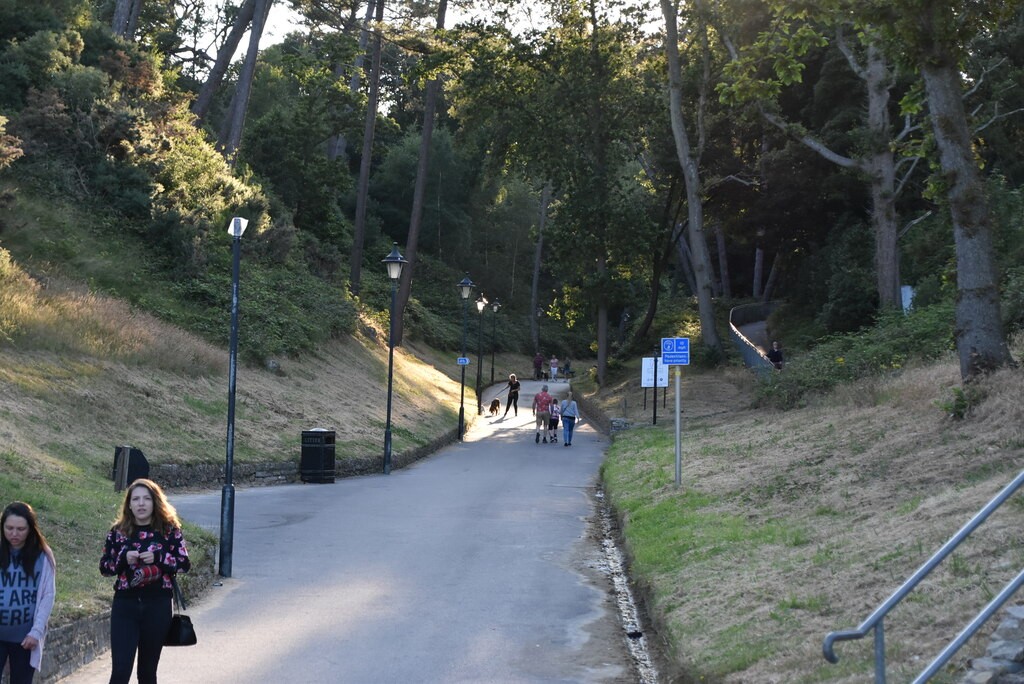
Photo: N Chadwick / CC BY-SA 2.0 · Source · Licence · Cropped/resized.
The gardens include formal planting, grassy areas and recreational features. Their community website describes mini golf towards the northern end and a water-themed play area further down. Those features mean the gardens are shared by families and visitors as well as people taking a walk.
Quieter is a planning preference, not a promise about the location. School holidays, weather and nearby activity can change how busy it feels. If you want a calm break, choose a flexible time and be willing to use a shorter section or return another day.
Identify your entrance and intended exit on a map before arriving. A chine is a valley setting, so do not assume that a route is flat merely because it is a garden path. If you need a step-free route or have limits on gradients, obtain current route-specific information rather than relying on photographs.
Choose a few things to look at, such as planting or the garden's shelters, instead of trying to maintain a fixed pace throughout. Pauses can be part of the visit. You do not need to turn every walk into a measured exercise session for it to be worth leaving the house.
Keep clear of play areas and other people's activities when walking briskly. Do not use public structures as exercise stations or attach resistance bands to them. The garden's purpose is broader than your workout, and other visitors should not have to negotiate around equipment.
The gardens' website provides information about facilities and the café, but opening times can change. Check the operator's current information if a café, toilet or other service is important to the outing. Carry what you need for the walk rather than assuming every facility will be available.
After rain, inspect paths and shaded sections for slippery leaves or wet surfaces. Wear footwear suited to the conditions, and avoid taking a steeper shortcut simply because it looks quicker on the way back. Follow any temporary signs or barriers.
A visit to the gardens can be complete on its own. Continuing towards the seafront adds distance, exposure and a return journey that may feel different from the outward walk. Decide on that extension before you are committed to it, especially when walking with someone who prefers a shorter outing.
For a repeatable break, note the entrance you used, the section you enjoyed and how long the full trip took. A route that fits comfortably into your day is more useful than an ambitious plan you rarely repeat. If the garden feels busy when you arrive, slow down and enjoy it as a public place rather than trying to preserve a training pace through the crowd.
Around Bournemouth
Photo: Tiia Monto / CC BY-SA 3.0 · Source · Licence · Cropped/resized.