Training kit
A rain shell for the walk to training needs to work over your clothes, fit in your bag and remain comfortable when you are carrying kit.
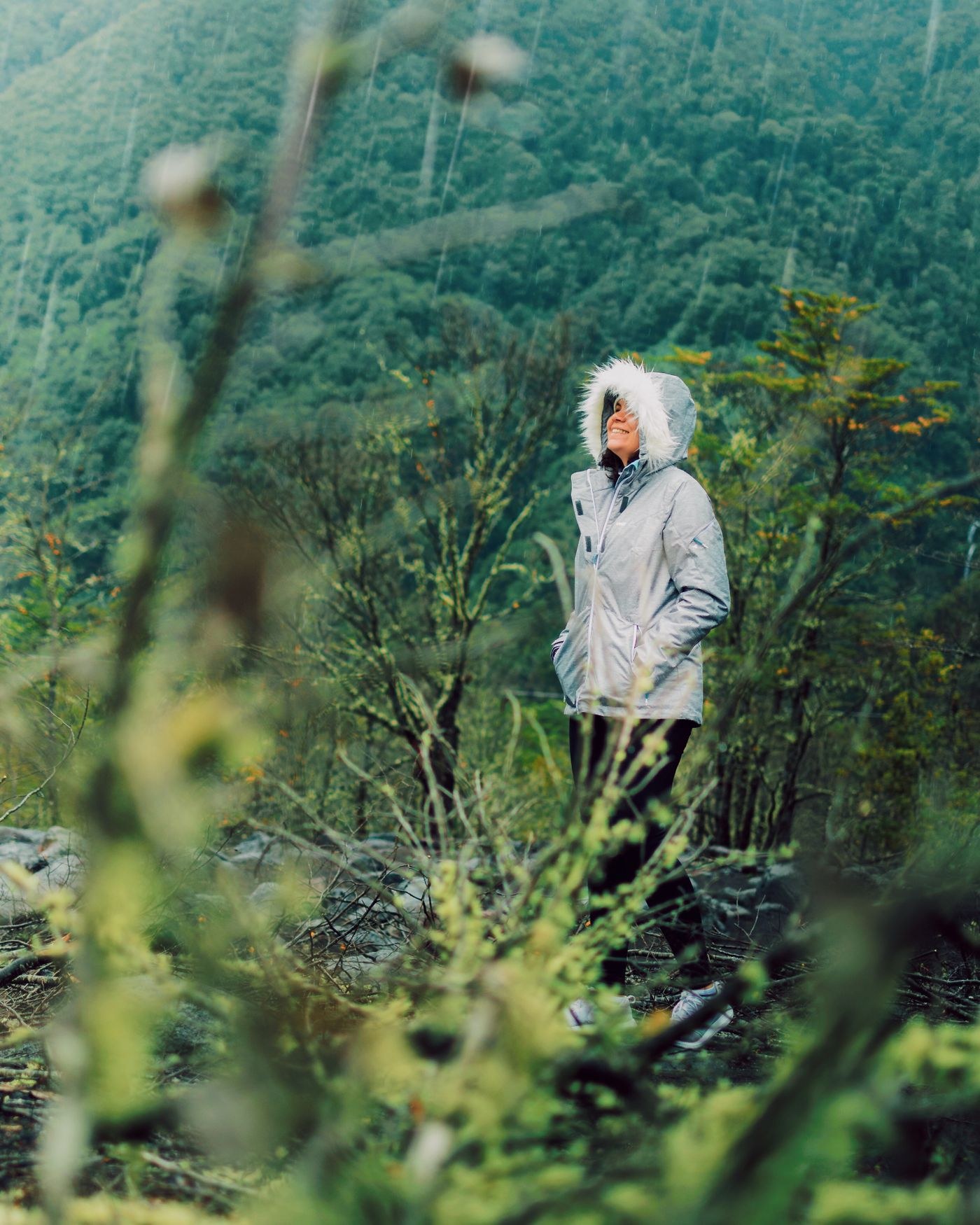
You may need rain protection for a walk to an indoor class without wanting to exercise in the jacket. That makes packed size and easy removal important. If you also plan to train outdoors in it, freedom of movement and ventilation become more significant. Be clear about the main use before comparing specifications.
Read whether a product is described as waterproof or only water resistant, and what the maker says about seams and prolonged exposure. A short shower on a familiar route is a different demand from a long wet outing. No single rating explains how the whole jacket will feel with your bag and layers.
Turn your head while wearing the hood. You need to see approaching traffic and other people without the fabric blocking your view. Check that adjustments are easy to use and do not leave cords hanging where they can catch. A peak or brim should stay usable without being pulled so low that it obscures vision.
Reach forward as if holding bag straps and raise your arms. The jacket should not pull tightly across the shoulders or expose a large gap at the waist. Check cuffs over your usual sleeves and gloves if relevant. A fit that is comfortable over a T-shirt may be too tight over a winter layer.
A brisk walk can make you warm inside a shell even in cool rain. Look for ventilation you can adjust and consider slowing the journey rather than arriving soaked with perspiration. Keep valuables protected separately; a jacket pocket is not automatically a waterproof container.
After arriving, place the wet jacket where it can drain or dry without wetting clean kit or creating a slippery floor. If it must travel in a wet pouch, unpack it when you get home. Follow the care label for cleaning and any treatment needed to maintain performance.
Check repair options, zips and the practicality of the packed size before paying for a specialist design. A shell that is always left behind because it is bulky does not help on the walk. Choose the one that fits the actual journey and your normal bag.