Getting started
Training together does not require matching weights, speed or repetitions. A shared visit can contain two different workouts.
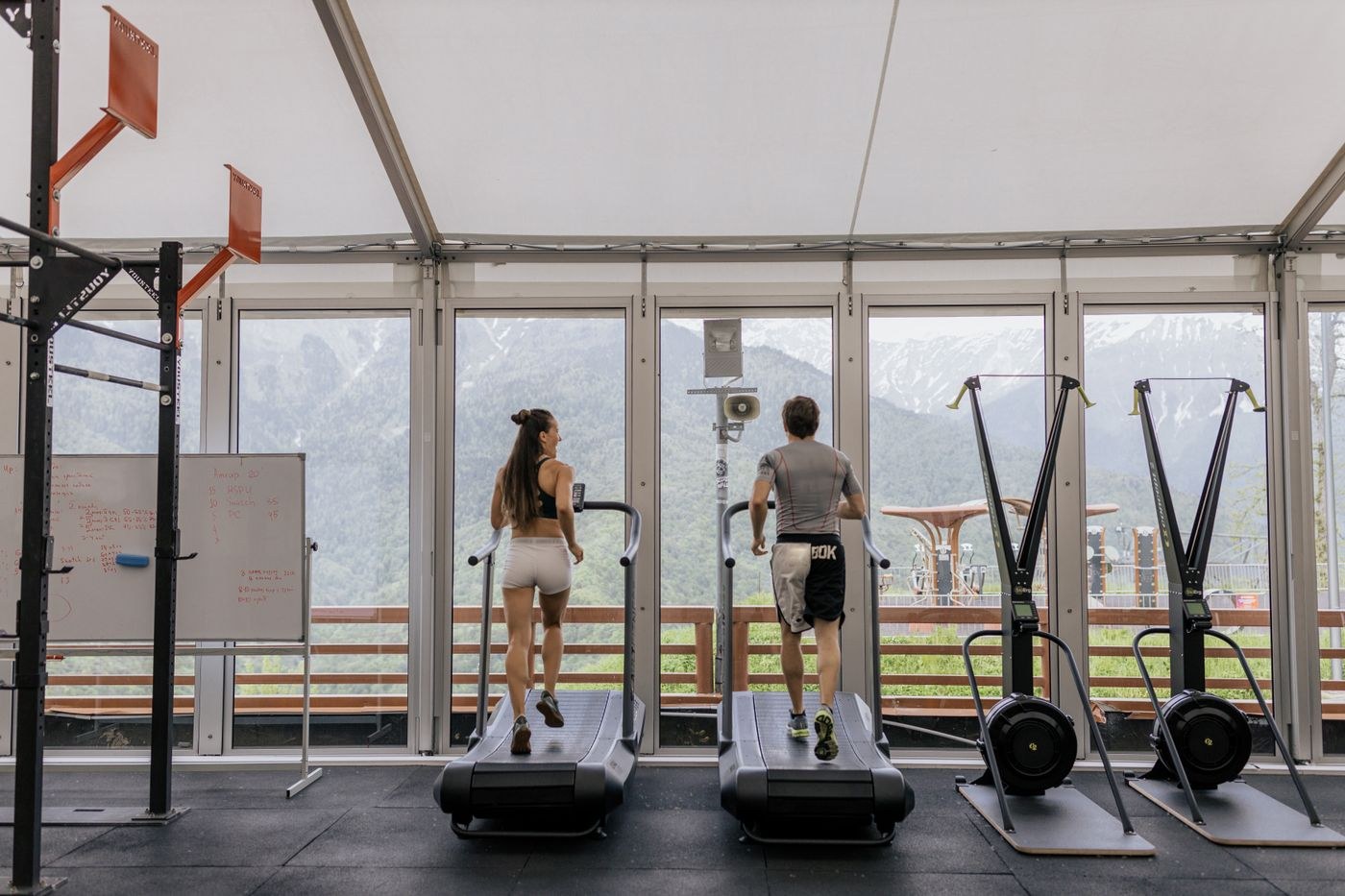
Decide whether the main purpose is company on the journey, attending the same class or completing a programme side by side. These arrangements need different compromises. If one person wants a long gym session and the other has half an hour, agree when you will meet afterwards instead of trying to force the same schedule.
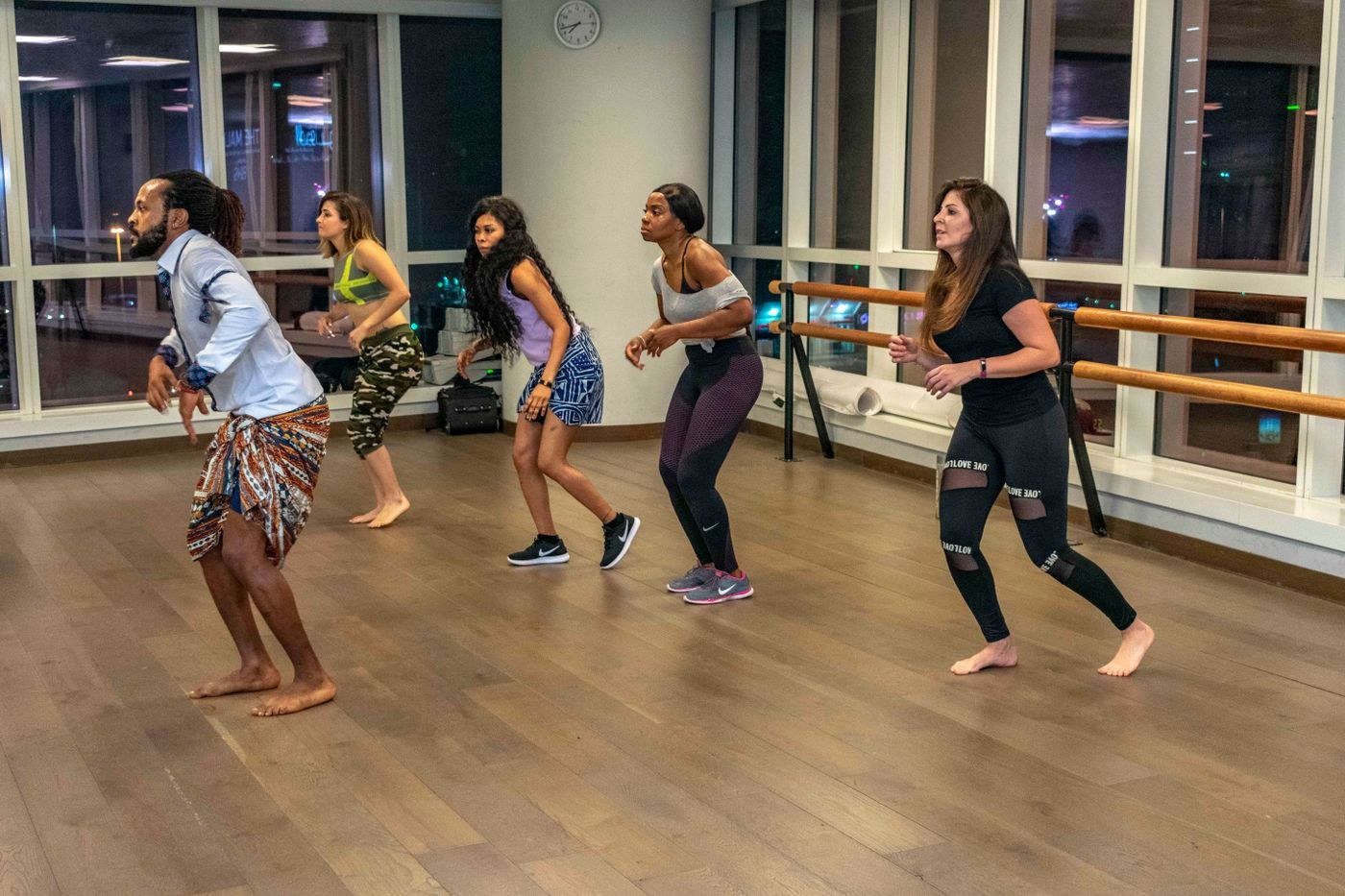
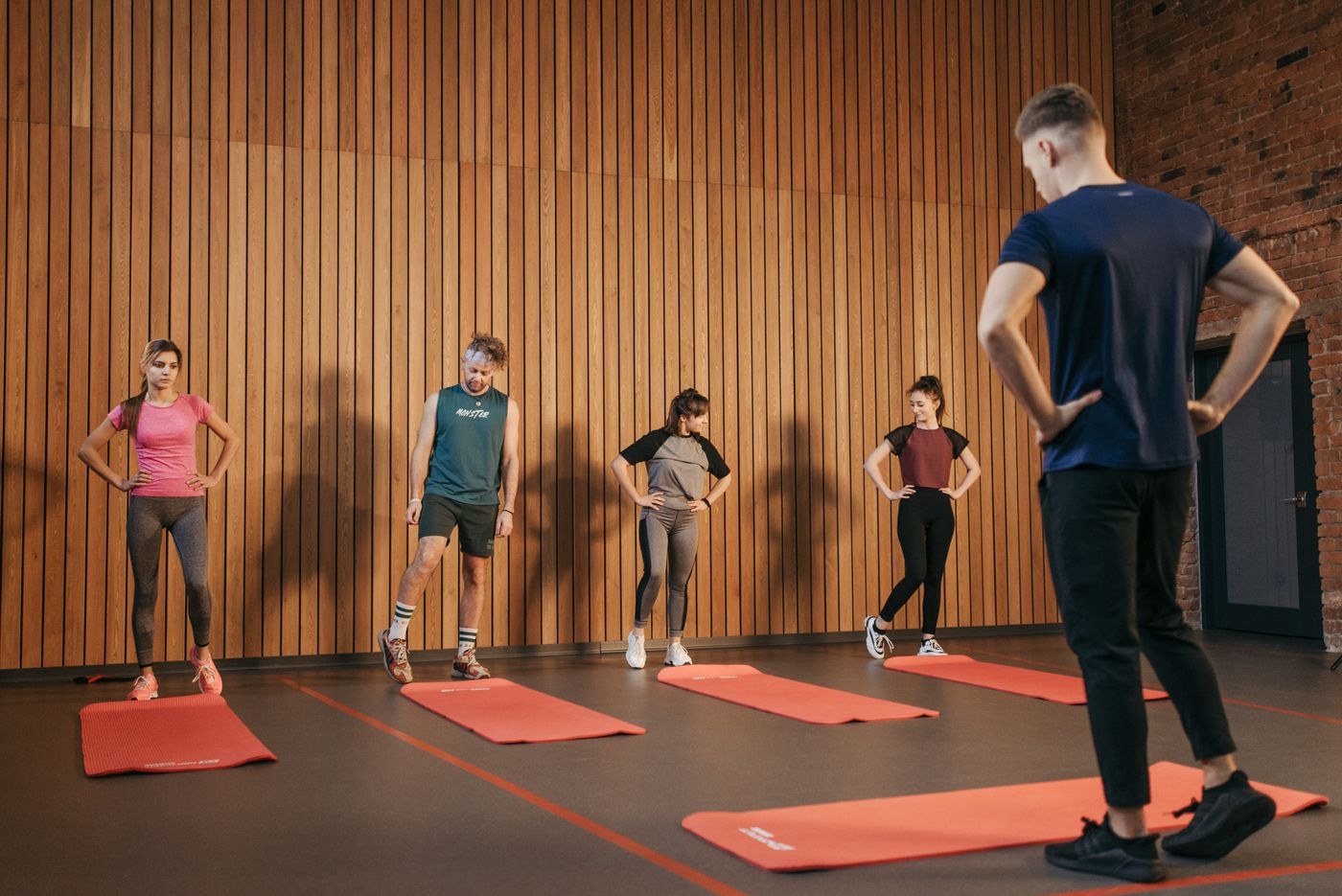
In a class, tell the instructor that you may need different versions. Use separate weights and keep your own recovery time. A friend can remind you of a demonstrated setup, but should not take over coaching or persuade you to continue when you want to stop. If neither person understands an exercise, ask the instructor rather than combining two guesses.
For a walk, choose a route and pace that work for the person who needs the easier option. The other person can arrange additional activity separately. Avoid repeatedly walking far ahead and returning, which can turn a social outing into an uncomfortable comparison. A shorter shared route can be a better agreement than a longer route that leaves someone struggling.
Use neutral descriptions: one person is using the wall version, another is using the bench version. There is no need to label them good and bad versions or announce who is ahead. An exercise choice can change from one day to another depending on the session and the individual.
Ask before offering corrections, filming or encouragement. Some people enjoy frequent conversation; others prefer quiet while learning a movement. Agreeing those preferences can prevent well-meant comments from becoming distracting. If you use a shared calendar, include an option to attend independently so one person's cancellation does not automatically cancel the other's plan.
Afterwards, compare what you learned or enjoyed rather than totals. You might discuss which class time was convenient or whether the instructions were clear. Keeping the social part separate from performance makes it easier for both people to choose suitable activity and continue exercising together without a competition neither intended.