Getting started
Returning after months or years away works better when you treat the first visit as a fresh starting point, even if the equipment looks familiar.
Your old routine records what you did at another time. Since then, your work, sleep, health, confidence and daily activity may have changed. Begin by considering those changes rather than trying to recover a previous lifting number on the first day. Familiarity with exercise names does not tell you what amount of work is suitable now.
NHS advice recommends speaking to a GP first if you have not exercised for some time or have medical conditions or concerns. This is especially relevant if the break involved illness, surgery or new symptoms. A gym induction can explain equipment, but it is not medical clearance or a substitute for guidance from the professional involved in your care.
Equipment may have moved or been replaced, and a machine that looks similar may use a different adjustment. Ask for a demonstration of the seat, safety mechanisms and starting position. Check emergency arrangements, access rules and where staff are available. These details are worth refreshing before you train independently.
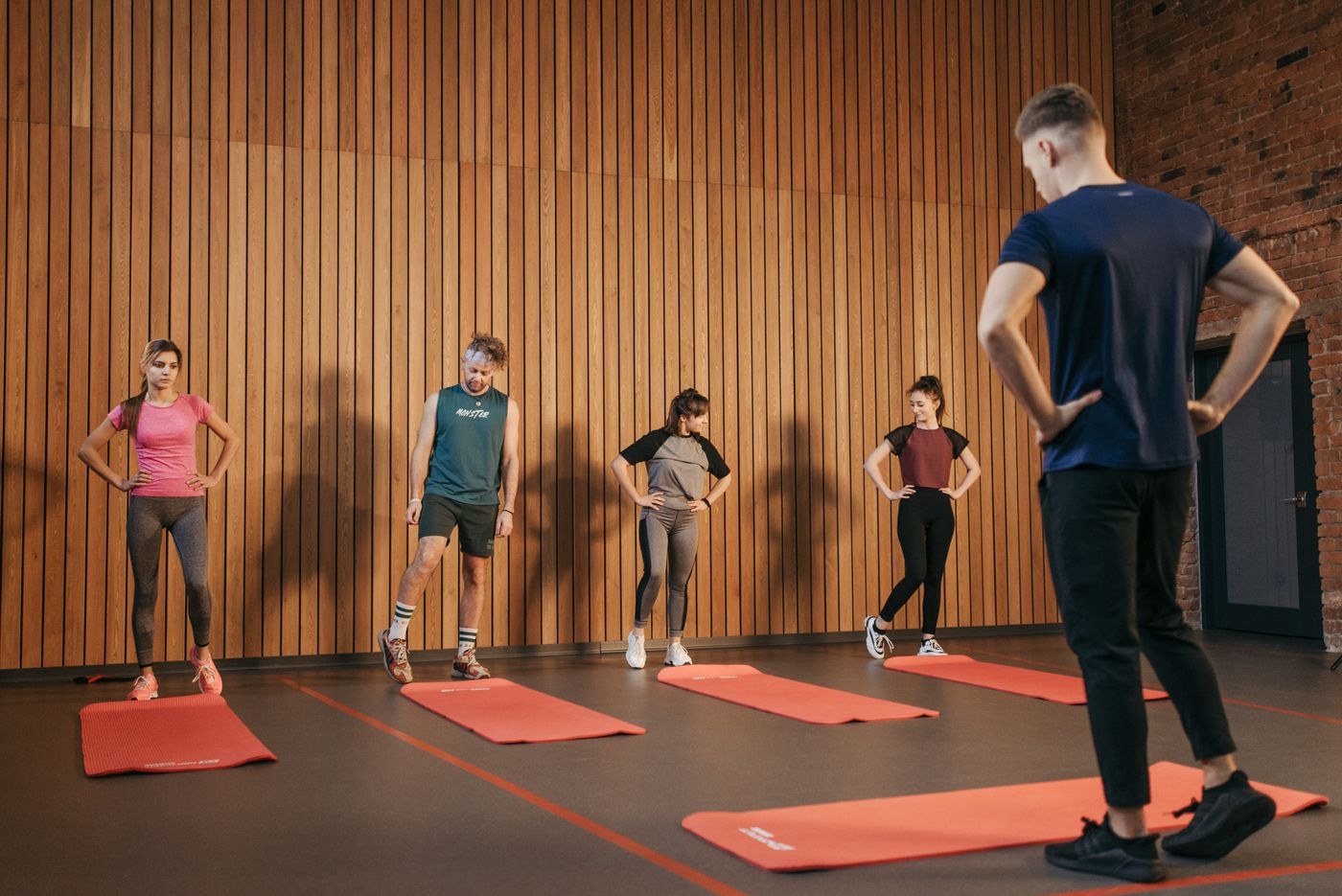
Choose a quieter time if you want space to ask questions. Write down two or three familiar activities you would like to revisit and ask which versions are sensible to begin with. You do not need to tour every machine or reproduce your former programme in a single appointment.
Use manageable loads and uncomplicated movements, with time to rest and notice your response. Allow room for warming up and finishing without rushing. A short visit that gives you clear information is more useful than an exhausting test that leaves you uncertain about which part was too much.
Avoid changing several variables simply because the early minutes feel easy. Adding more exercises, heavier weights and less rest at once makes the result difficult to interpret. Keep a note of what you actually did, including the version, approximate duration and any questions. Do not use soreness the next day as a score of success or as a reason to force the same session again.
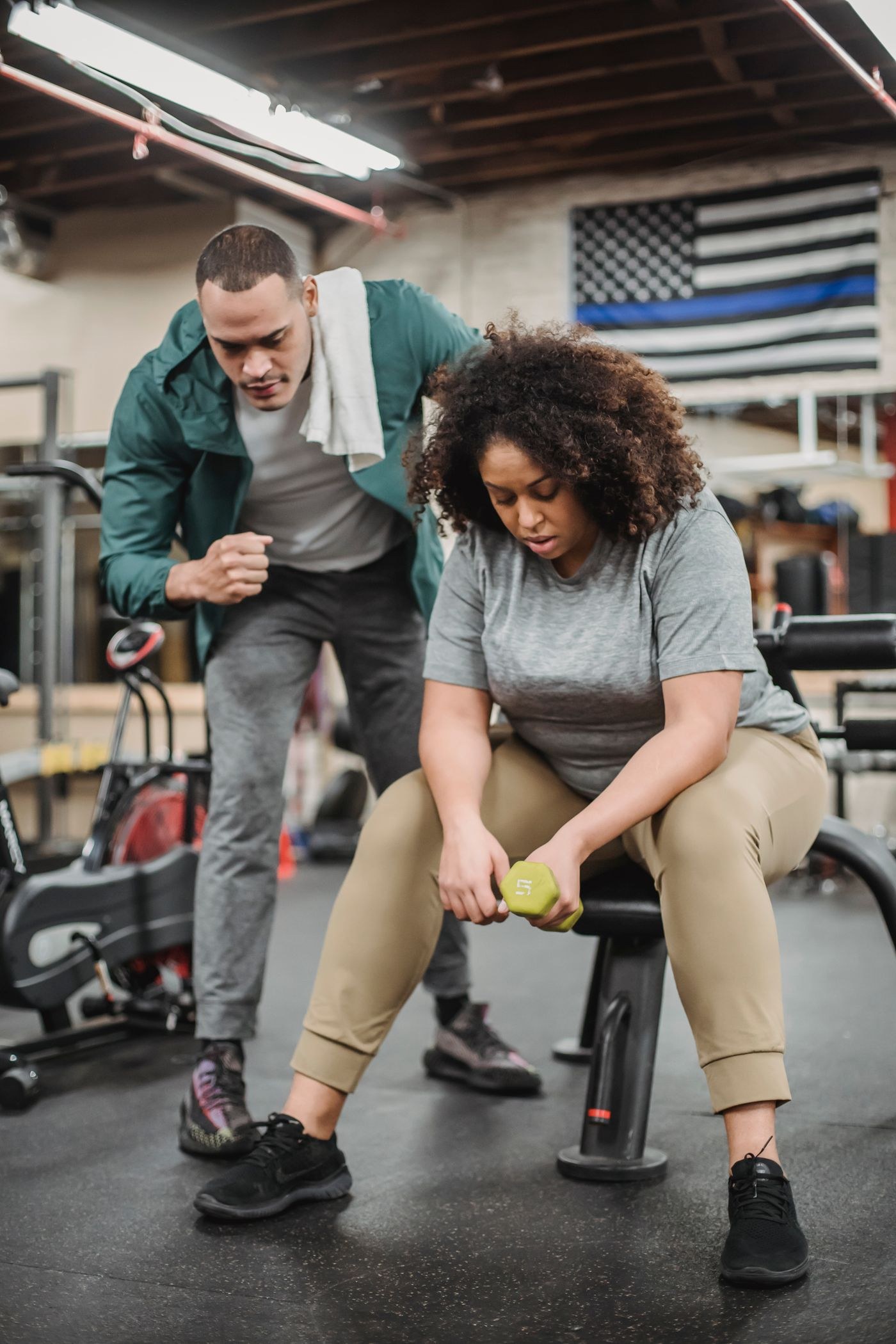
If pain, dizziness or other concerning symptoms appear, stop and seek appropriate advice. For ordinary uncertainty about technique, ask a qualified instructor to watch before increasing the challenge. The goal of this visit is to establish a repeatable starting point, not to discover your maximum capacity.
Choose a realistic return time that leaves space for recovery and fits your current week. If the first visit was manageable, repeating much of it can help you learn the setup. You can then make small, deliberate changes with guidance rather than rewriting everything after every session.
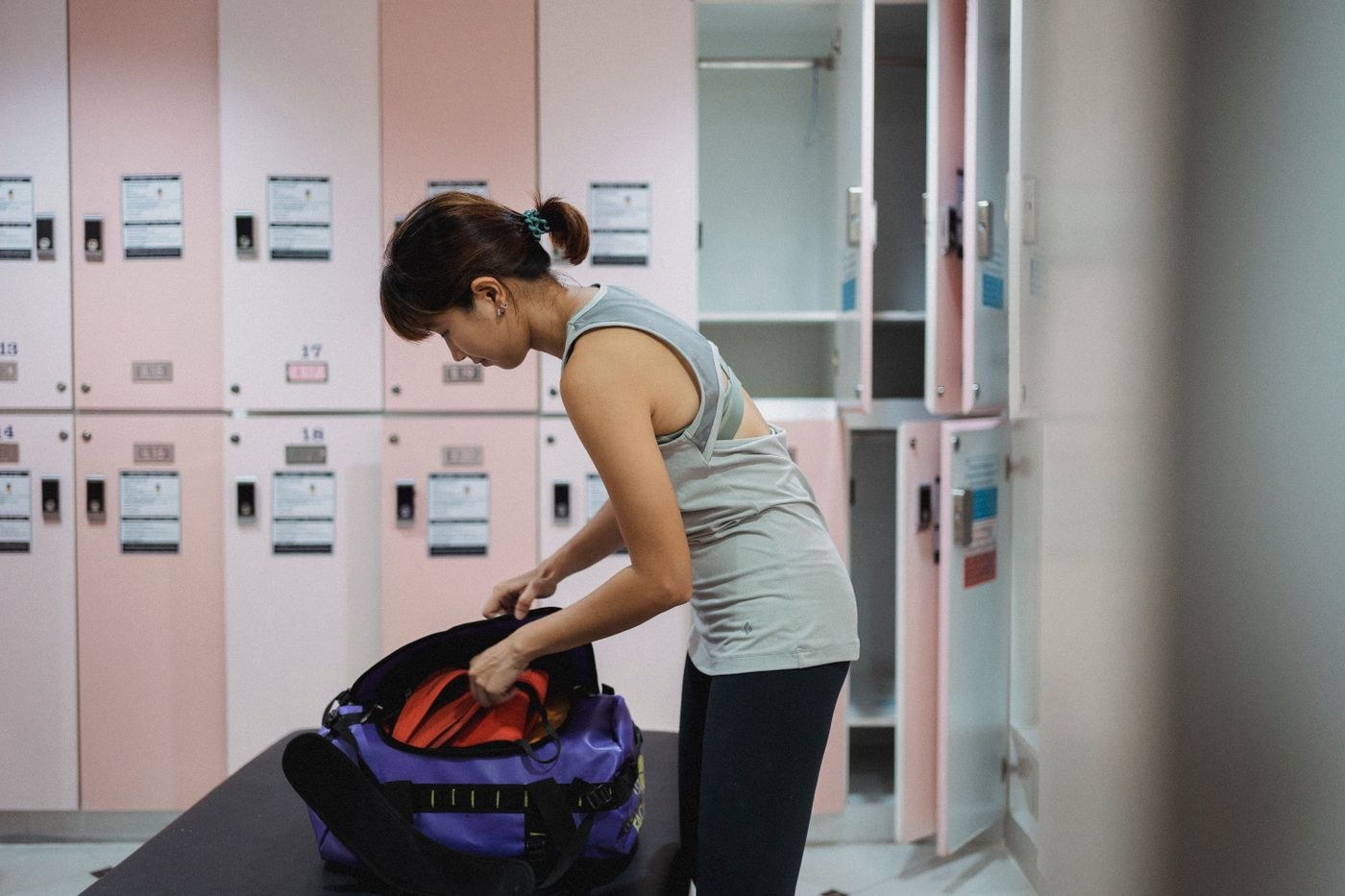
Pay attention to the practical barriers too. Perhaps travelling at rush hour was harder than the exercise, or you forgot the locker padlock. Fixing those details can make attendance easier. Progress after a long break includes becoming familiar with the environment again and finding a routine that belongs to your life now.