Getting started
An instructor's qualifications are worth checking in relation to the activity they will teach and the support you need, rather than treating every fitness certificate as interchangeable.
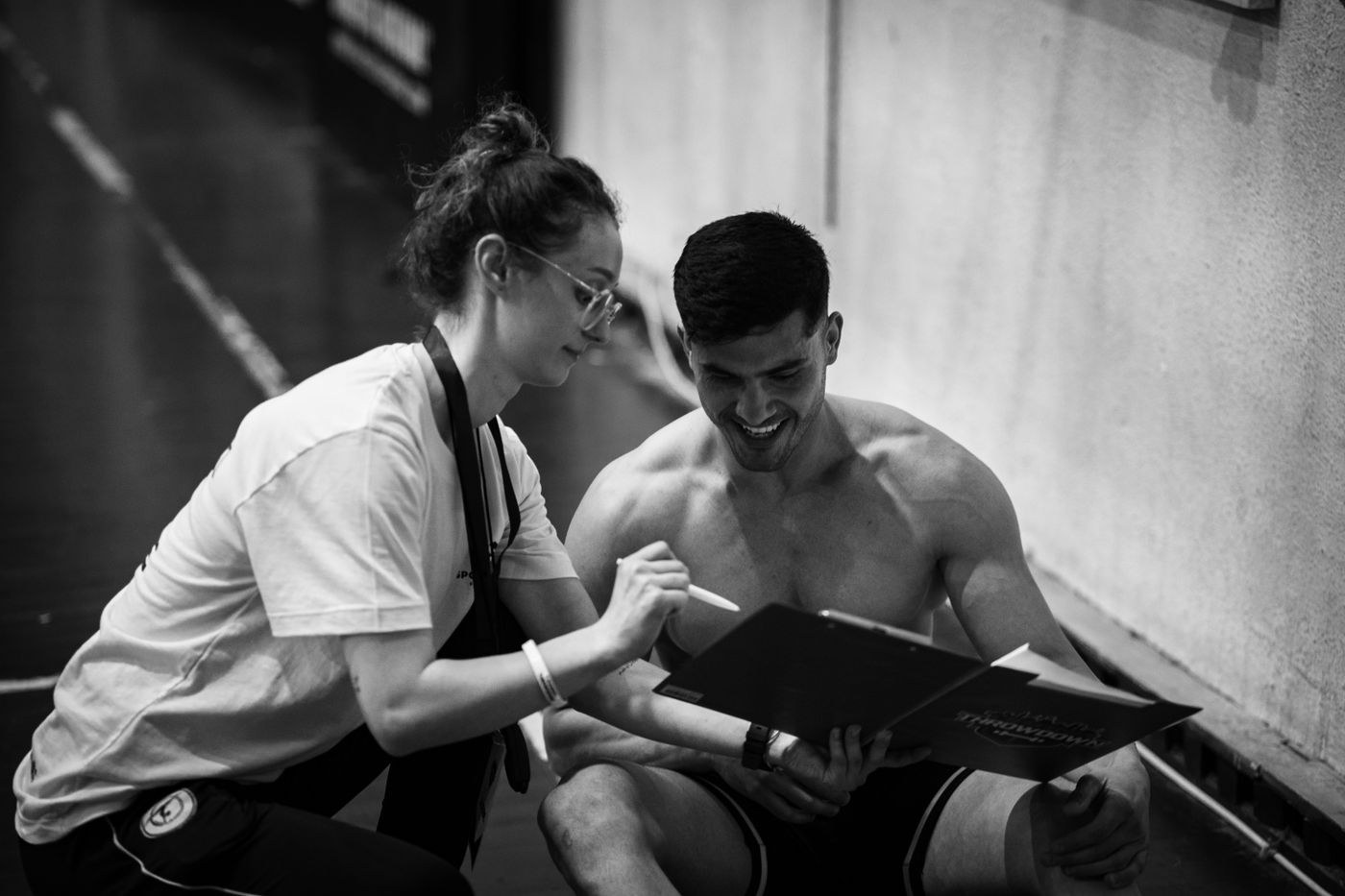
Start with the name of the qualification, the awarding organisation and the type of work it prepares the instructor to do. Teaching a group exercise session, supervising a gym floor and providing individual personal training are related but distinct roles. A clear answer should explain the relevance to the class rather than simply list impressive-sounding course names.
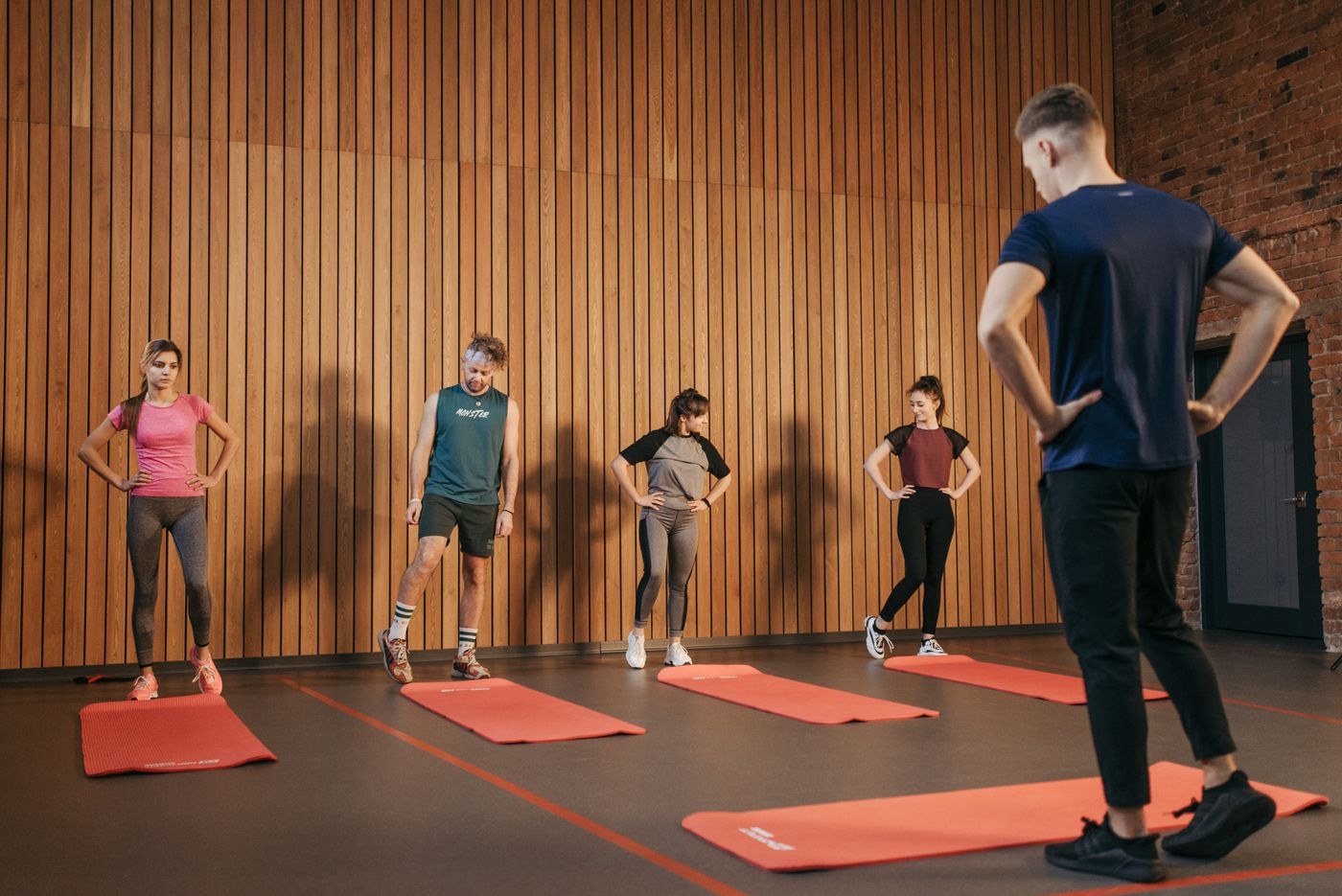
Ask whether the person teaching your session is the person described on the website. Venues sometimes use cover instructors, which is not inherently a problem, but the arrangements should still be clear. If your interest is a particular activity or specialist population, ask about training and experience in that area rather than assuming that a general qualification covers everything.
CIMSPA provides a member directory through which people can check recognised sport and physical activity professionals and their professional roles. If an instructor says they hold a relevant status, ask for the name or credential details needed to locate the correct person. Similar names are not sufficient identification.
A directory entry is one piece of information, not a guarantee that every class or recommendation will suit you. It also does not mean that an instructor can diagnose an injury, prescribe treatment or provide every kind of specialist advice. Ask how they handle a situation that falls outside their scope, such as a participant developing unexplained pain.
You can also ask the venue about current first-aid arrangements, insurance and its process for introducing new participants. Request an explanation of how these arrangements work at the actual location. Avoid assuming that a logo on a general promotional page answers every operational question.
Qualifications become easier to discuss when connected to a real need. You might ask how a new participant learns a band setup, who provides cover when the usual instructor is absent, or what happens if someone cannot move to the floor. Listen for an explanation of the teaching process and the limits of the service, rather than a general assurance that the instructor has worked with everybody.
If you are seeking specialist support, ask which training and experience relate to that specific work and how the instructor communicates with other professionals when appropriate. Do not assume that one specialist course covers unrelated conditions or every stage of recovery. You can take the qualification details to your healthcare professional if you need help judging their relevance. A transparent response should make it easier to decide whether the service matches your needs; it should not require you to accept a broad claim of expertise without understanding what the instructor is actually qualified to provide.
During an introduction, notice whether the instructor listens, demonstrates clearly and allows questions. They should be able to explain an exercise without relying on embarrassment, urgency or promises of guaranteed results. Knowing when to refer someone to another professional is a useful boundary, not a weakness.
If you need support for a medical condition or a return after injury, discuss suitable activity with your healthcare professional and ask what qualifications or experience would be appropriate in an instructor. You do not need to share your whole medical history in a public studio. The aim is to find a person whose documented training, communication and scope match the service you are seeking.