Getting started
Speed can hide uncertainty. Learning the beginning, middle and end of an exercise at a controlled pace makes it easier to understand what a faster version would change.
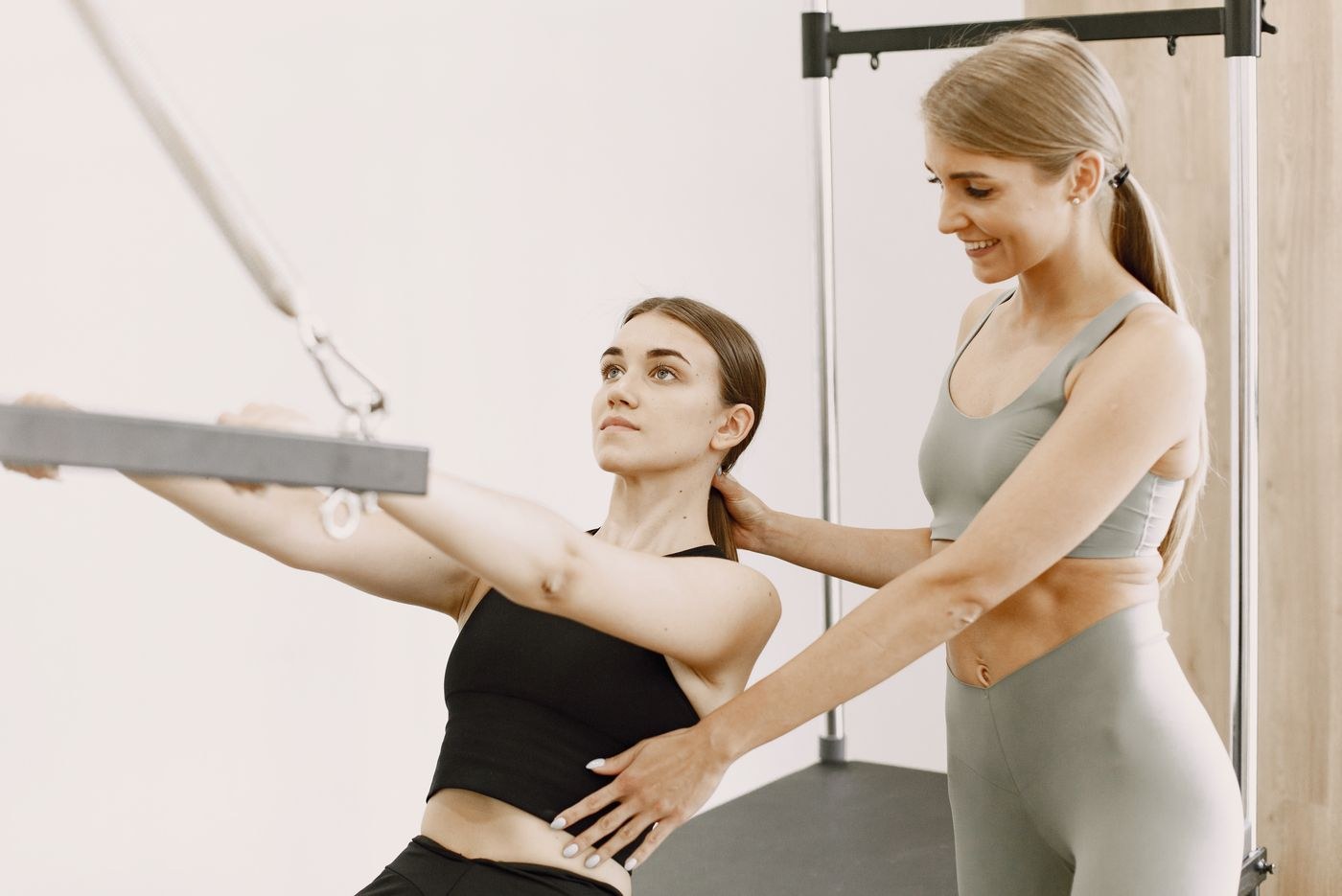
Ask the instructor to show where the movement starts and finishes. With a squat, notice the stance and the comfortable depth; with a row, notice the controlled return as well as the pull. A complete repetition includes both directions. Rushing back to the start can remove the part you most need to practise.
Try the movement without resistance, or with a suitably light option, before using a class timer. Pause between repetitions if that helps you reset. The pause is not a failure to keep up; it gives you time to check foot placement, grip and the space around you. Practising fewer clear repetitions can reveal more than completing many uncertain ones.
A long list of instructions is difficult to apply while moving. Ask which single detail matters most for the next attempt. That might be keeping a support still, lowering the weight under control or placing the whole foot on a step. Once that detail becomes familiar, you can attend to another.
If you are watching a video, pause it before trying the exercise and position the screen where you can view the demonstration without twisting during the movement. Do not repeatedly turn your head to compare yourself with the picture while balancing or holding a weight. A live instructor can provide feedback that a video cannot.
Try organising the learning as demonstration, rehearsal, feedback and another attempt. Watch one complete repetition first. Then practise a small amount while the instructor can observe, stop and ask about the single detail that felt unclear. Use the feedback in the next attempt rather than collecting several new cues at once. This gives you a chance to connect the instruction with a specific part of the movement.
For example, if a step-up feels hurried, first check foot placement and the descent at a slow pace. Do not simultaneously raise the step, carry a weight and try to match the class rhythm. Once the setup is familiar, ask whether a slightly quicker pace is part of the intended task. You may find that the exercise is meant to stay controlled. This approach also gives you a useful question when practising alone later: am I repeating the taught movement, or have I changed the task because a timer or soundtrack encouraged me to hurry?
Not every exercise needs a faster version. Some sessions deliberately use controlled movement; others include faster work only after the participant can manage the relevant skill. Ask what the intended pace is and why. Moving with music does not mean that each beat must become a repetition.
When speed is introduced, keep the other variables familiar and reassess control. If range becomes erratic, the return is uncontrolled or you cannot stop where intended, reduce the pace. Do not add weight at the same time merely to make the change feel more substantial.
Learning is not measured by how quickly you leave a basic version behind. A movement you can begin, perform and finish deliberately is a useful skill in its own right. Record the cue that helped, so the next session starts with something specific to practise rather than another attempt to move faster.