Getting started
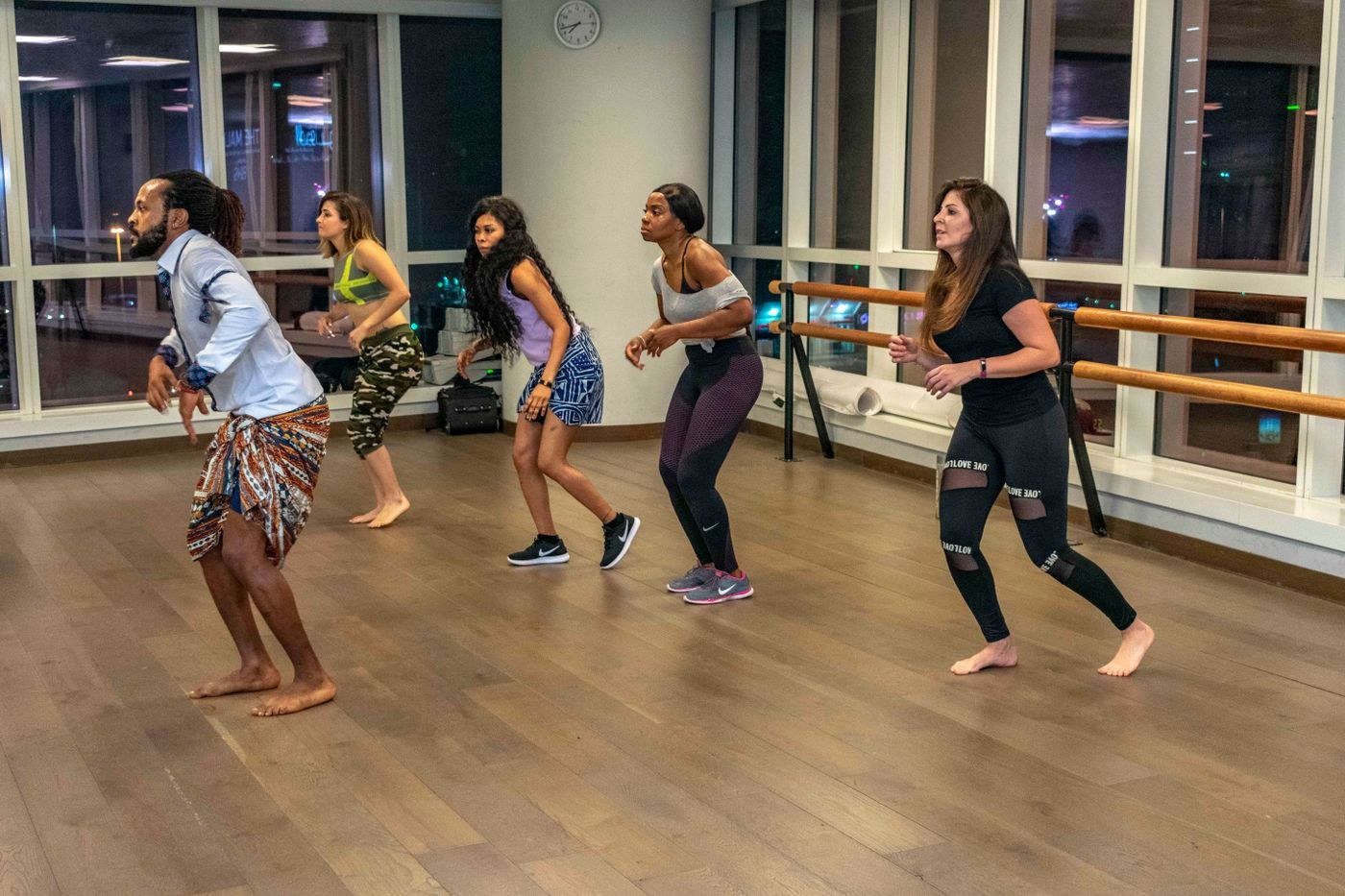
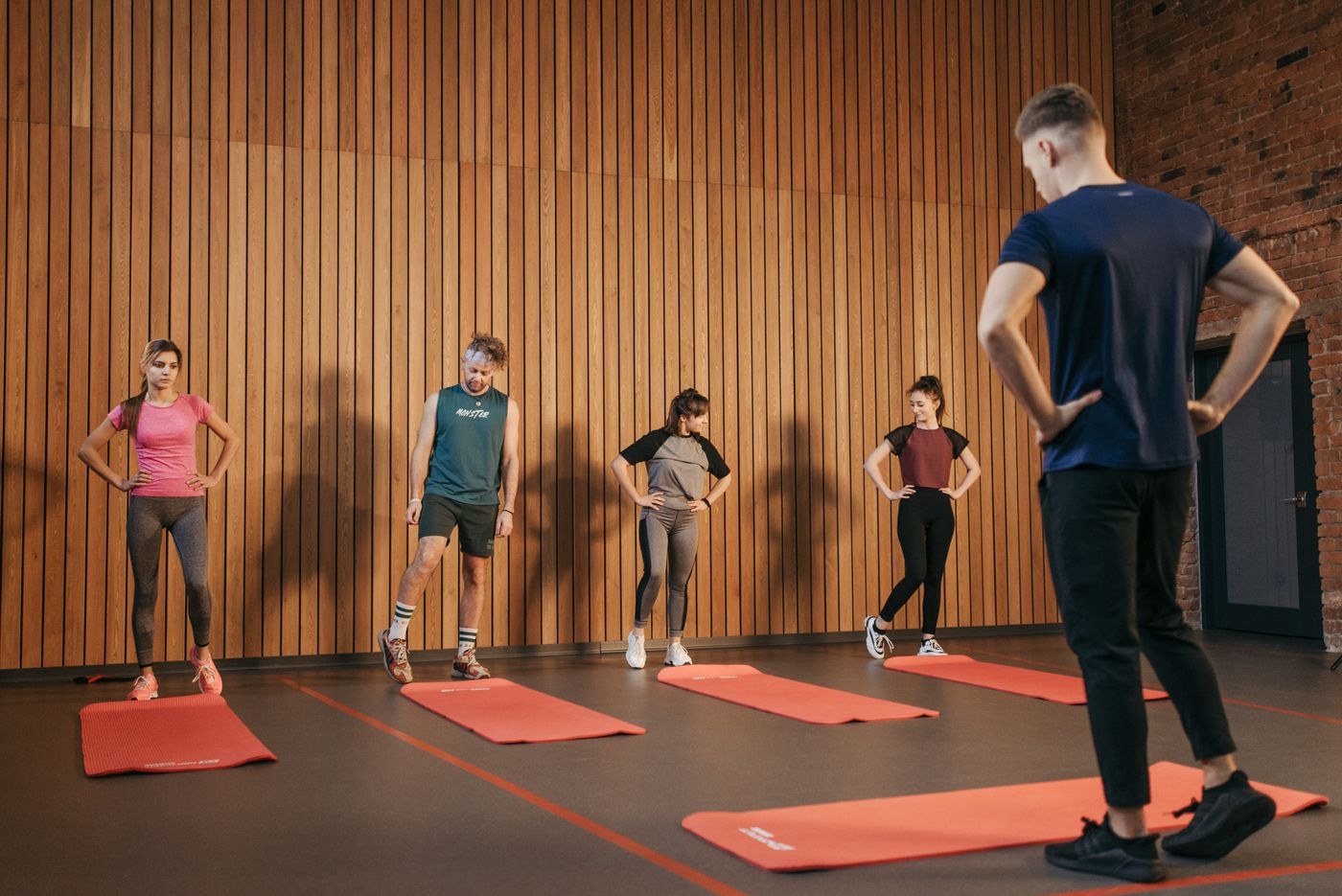
Where you stand in a studio affects what you can see, hear and reach. Choose a place that supports learning rather than automatically heading for the back corner.
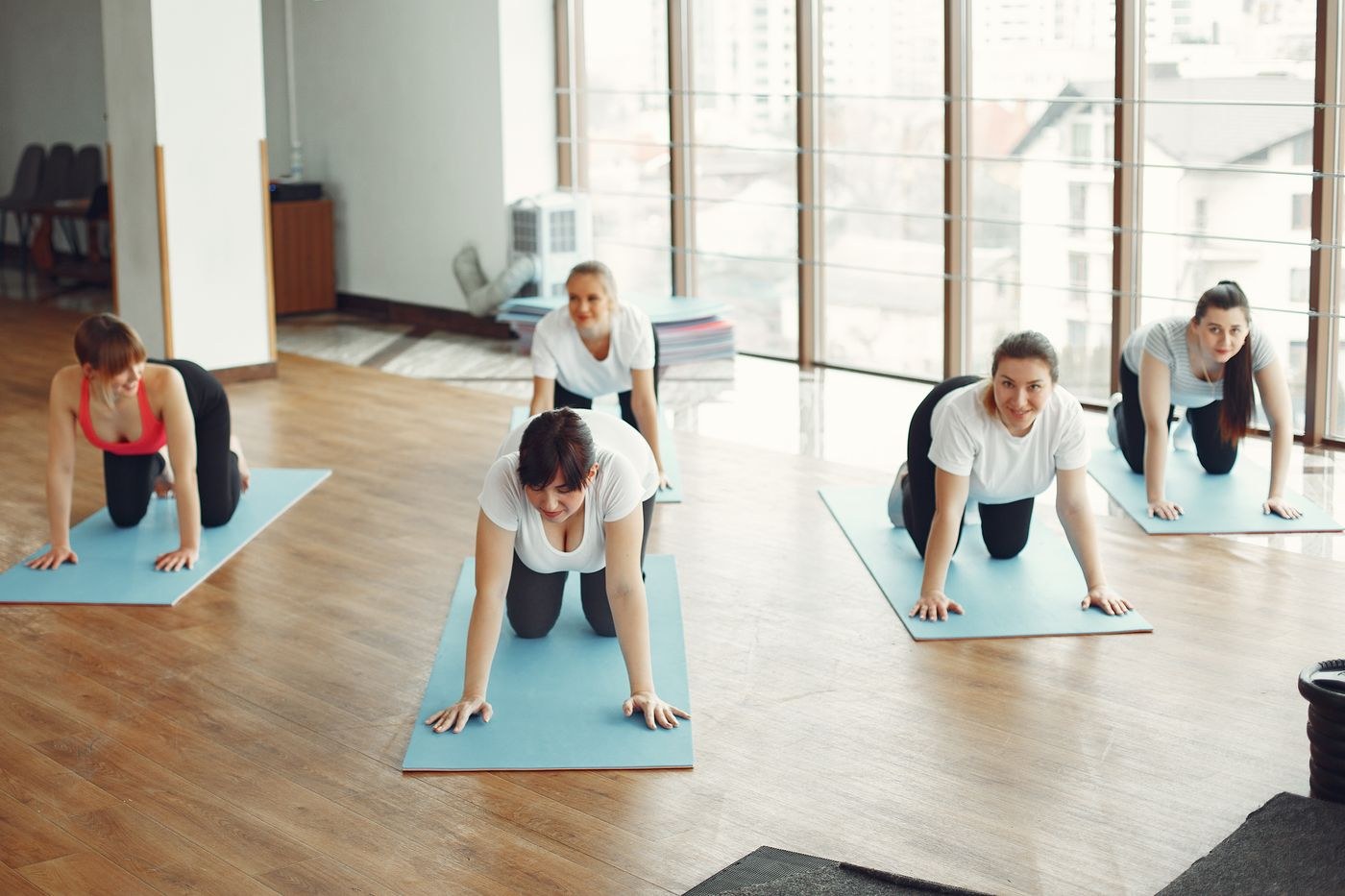
Give yourself time to see the layout and ask where new participants should begin. A clear view of the demonstration is useful, but standing directly at the front is not essential. Look for a position where you can see the instructor without repeatedly turning your head while moving.
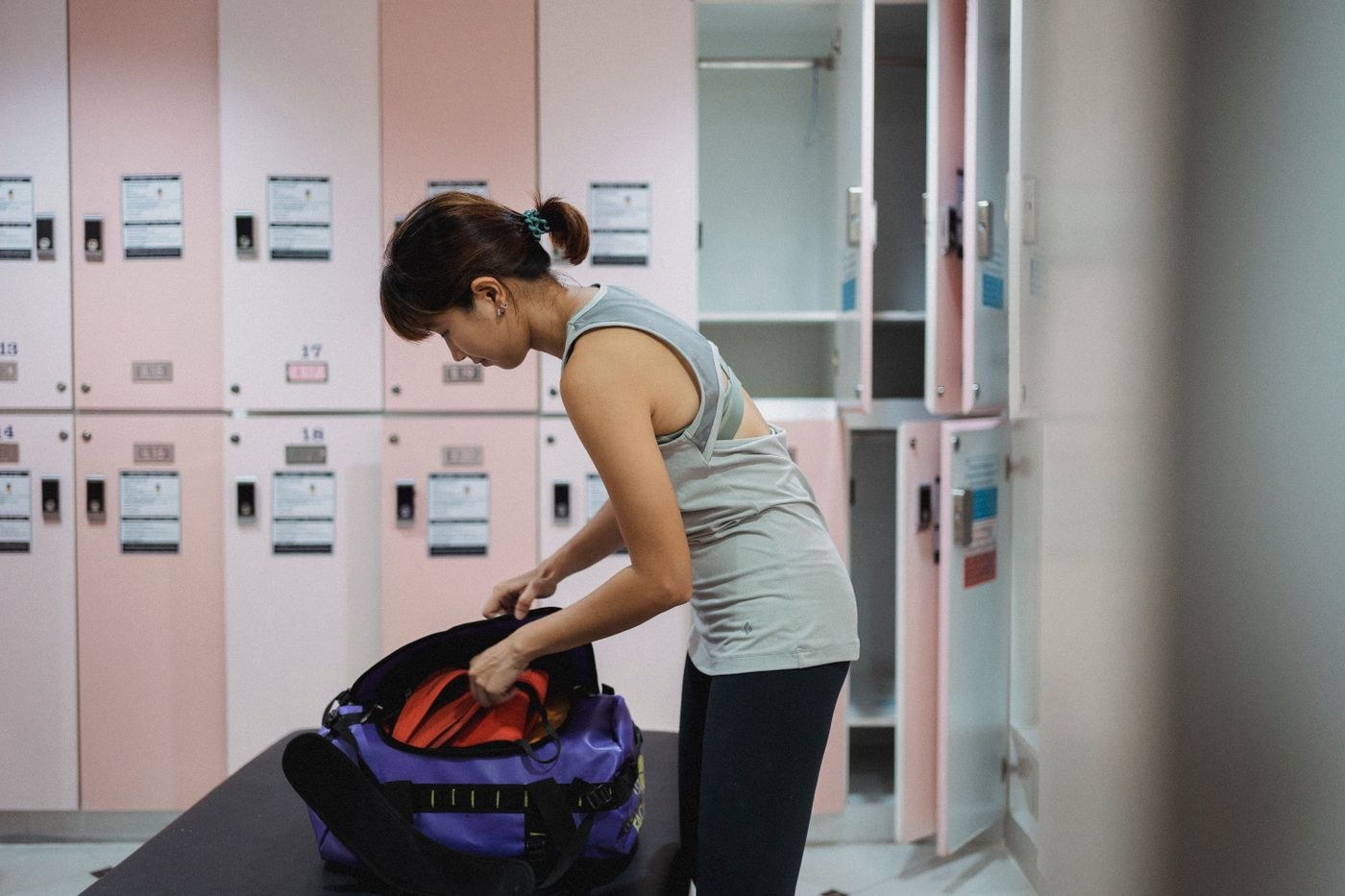
Check the space around your feet and above your hands. A mat may fit between two people while a sideways step or an overhead reach does not. Keep bags and coats in the designated storage area. Do not place a bottle where someone will step backwards or where a rolling dumbbell could hit it.
In a circuit, identify the walking route between stations. The empty gap beside a mat may be a passage rather than spare exercise space. If you need a little longer to move between tasks, tell the instructor so you can agree a route that avoids crossing the main flow of the class.
Choose a location where you can hear the briefing and attract the instructor's attention. If the music or room acoustics make that difficult, ask whether you can move. Copying the nearest participant is not a reliable substitute because they may be using an individual alternative.
When sharing equipment, confirm which items belong to your station and where to return them. Put a weight down before stepping aside for a question. If the room becomes too crowded for the intended movement, pause and ask for a change of position or exercise; shortening your range without understanding the task can create a different problem.
You can reassess your place after the first round. Perhaps a pillar blocks the view, a fan makes instructions hard to hear or the next station uses more space than expected. Moving with the instructor's agreement is a normal adjustment. The useful place is the one that gives you room to work and a clear way to communicate.